
Diet & Nutrition
-
Groundbreaking Study Links Gut Bacteria in Foals to Long-Term Health & Performance

A pioneering study conducted by researchers at the University of Surrey has uncovered significant links between the gut microbiota of foals at just one month old and their long-term health and athletic performance. Led by Professor Chris Proudman from the university’s…
-
Selenium in Equine Nutrition
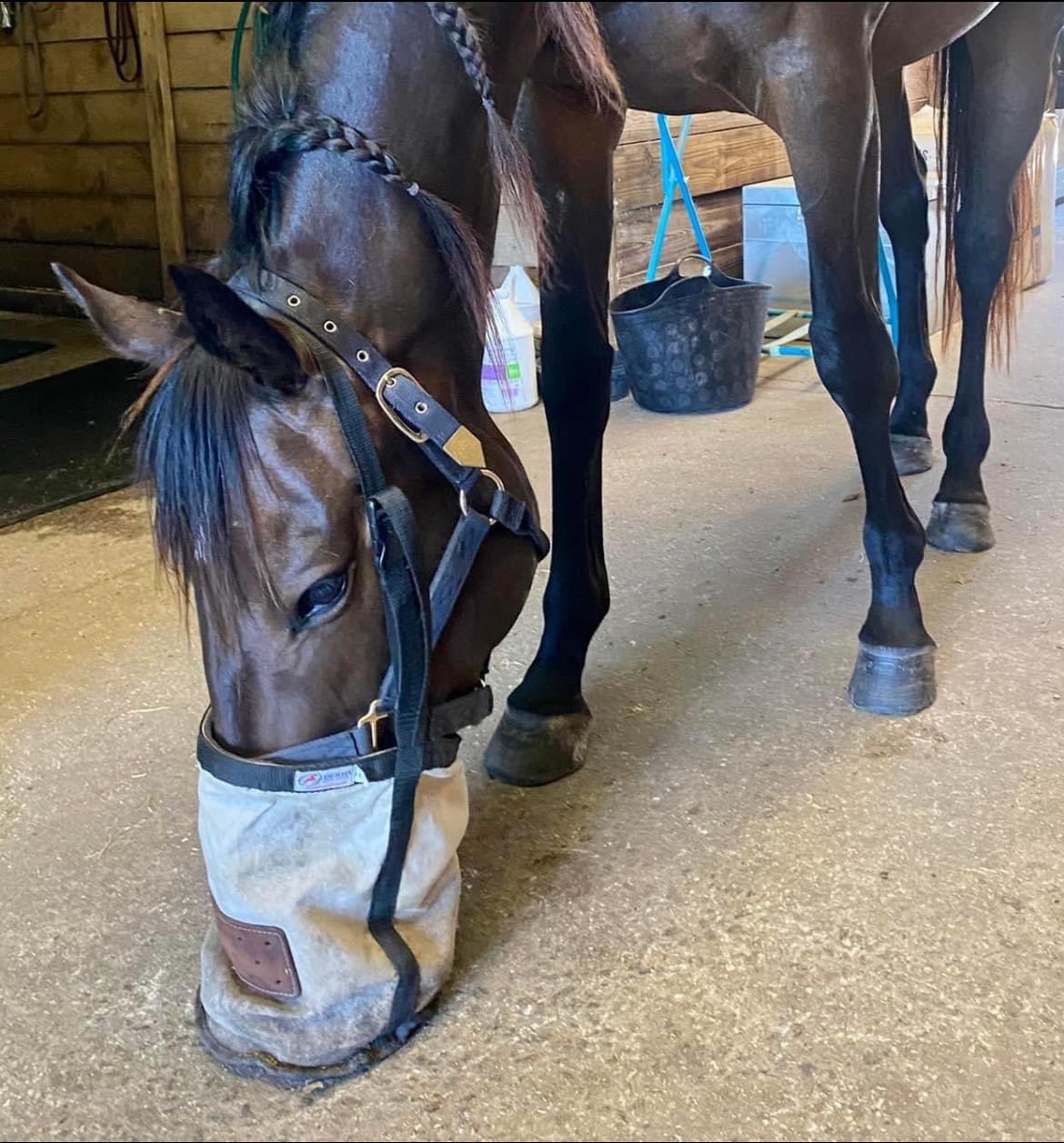
Selenium is an important antioxidant that supports equine health by aiding metabolism, growth, and reproductive function. It helps neutralize free radicals and strengthens the immune system, aiding the body’s defense against infection. However, due to its narrow safety range, both selenium…
-
The Structural and Metabolic Functions of Muscles in Horses
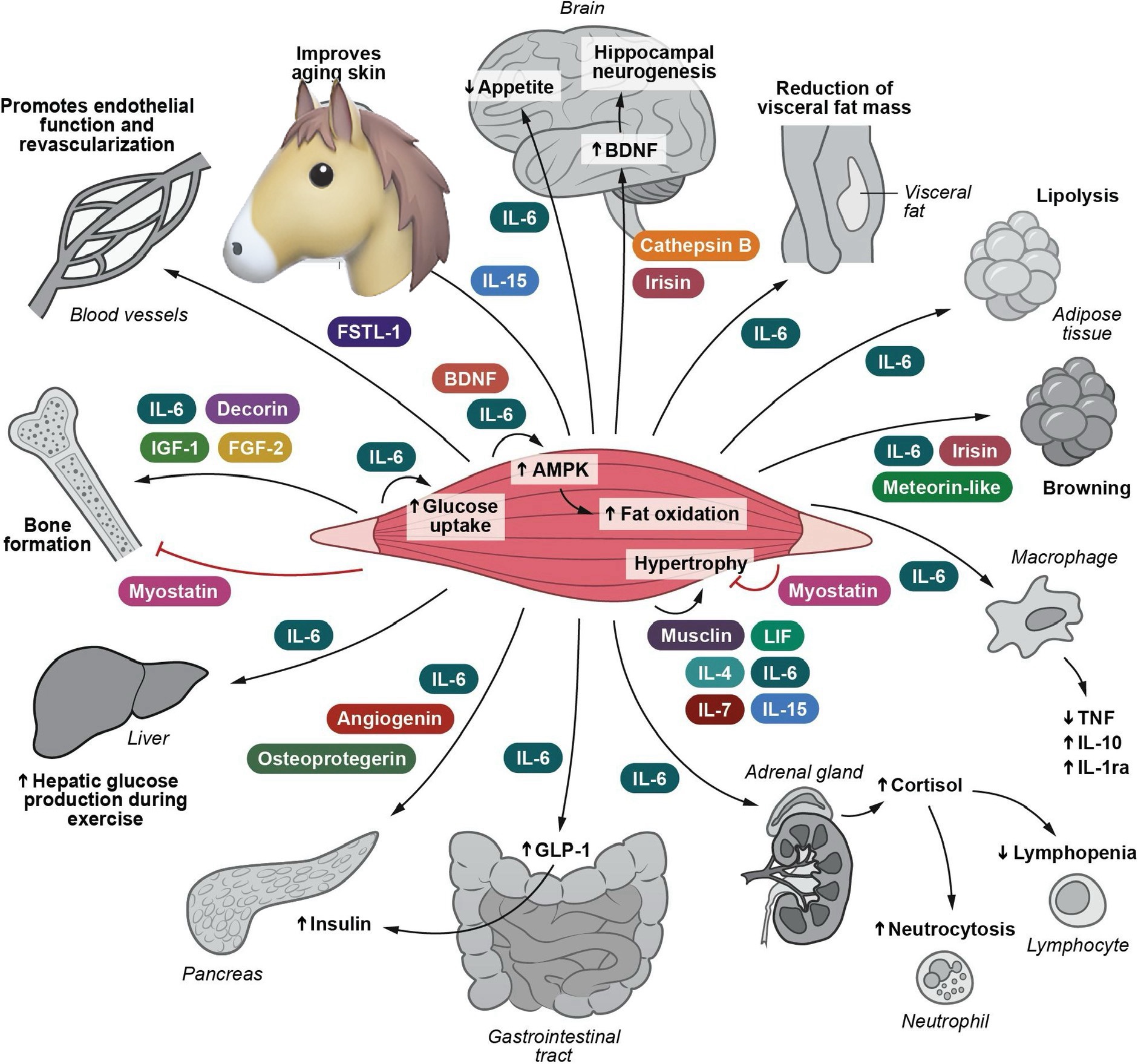
Muscles’ Effect on Structural Functions in Horses 1.Balance: Muscles maintain stability by adjusting tension to help the body remain upright and steady. Postural muscles and those around joints help control small movements and prevent falls or imbalances. 2. Posture: Muscles support…
-
Recognizing and Addressing Potassium Deficiency in Horses

Low potassium, or hypokalemia, can lead to a range of symptoms due to the critical role potassium plays in muscle function, nerve function, and overall cellular activity. Here are some symptoms and potential causes of potassium deficiency in horses: Symptoms of…
-
Excessive Drooling in Horses Due to Clover Consumption

Over-salivation, or excessive drooling, in horses after eating clover is often caused by a natural substance found in certain types of clover called slaframine. Slaframine is a mycotoxin produced by the fungus *Rhizoctonia leguminicola*, which commonly infects red clover and, to…
-
12 Important Salt Facts For Horses

Research in Alberta, Canada, has revealed that the placement of mineral or salt blocks in pastures significantly impacts horses’ consumption rates. When the blocks are positioned in areas where horses frequently gather, their intake increases. Conversely, placing the blocks near the…
-
Synergistic Effects of Methocarbamol and Therapeutic Massage on Horses
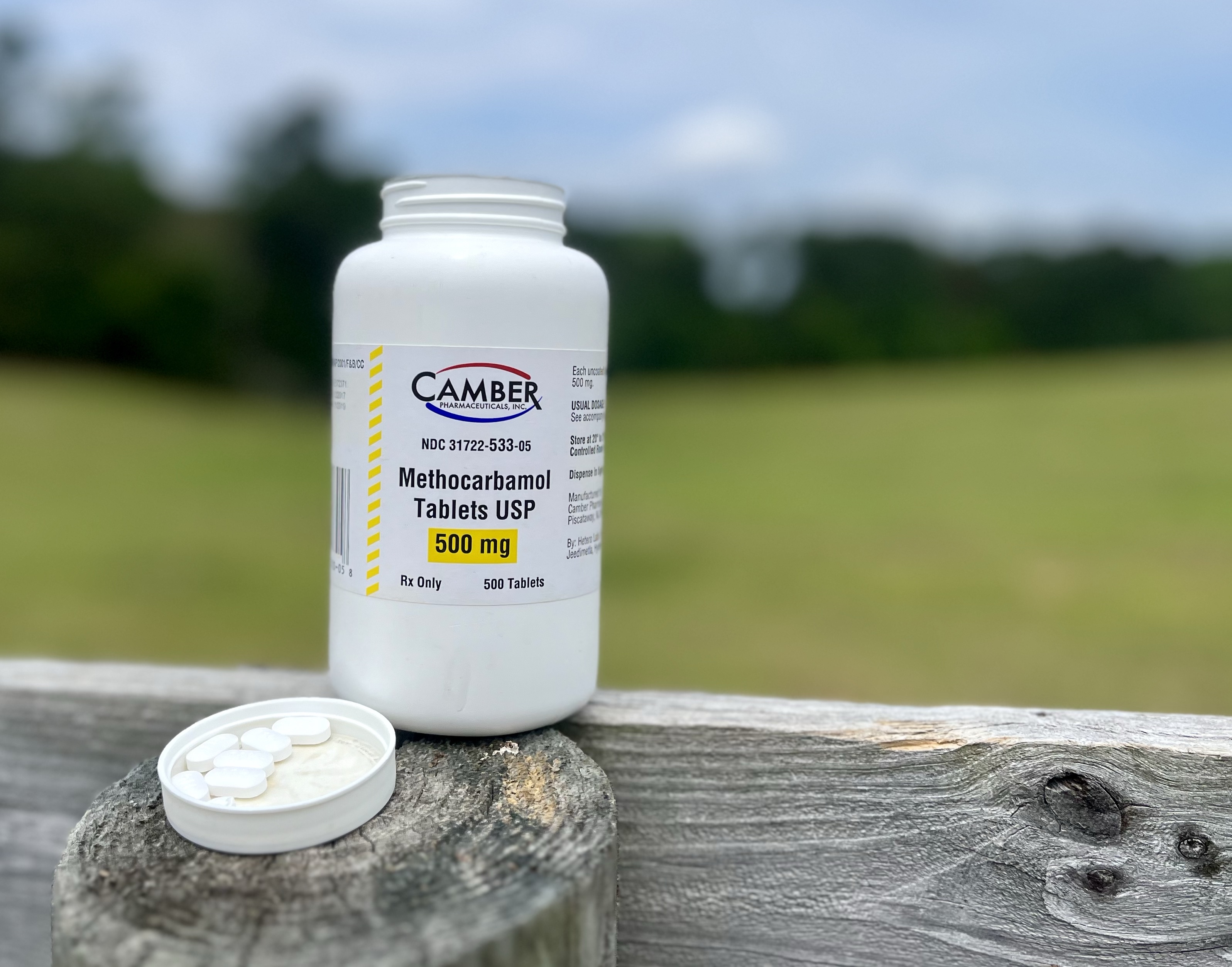
Introduction Methocarbamol, marketed under the brand name Robaxin, is a centrally acting muscle relaxant commonly prescribed by veterinarians for horses to alleviate muscle spasms, pain, and discomfort associated with musculoskeletal conditions. Given that your horse was prescribed this medication for sore…
-
Buttercups in Horse Pastures: Management & Concerns

Buttercups may seem innocuous with their bright yellow flowers, but these plants do pose a threat to the health of horses grazing among them. Perhaps even more concerning is that buttercups tend to choke out desirable, nutritious plants such as grasses…
-
How Electrolytes Affect Muscle Function, Fascia and Exercise Recovery

Electrolytes are essential minerals that help regulate fluid balance, nerve signaling, muscle contraction, hydration, and many other critical physiological functions in your horse’s body. Horses that train, compete, travel frequently, or live in hot and humid climates often lose significant amounts…
-
Clover: A Nutritious Treat for Horses and Its Considerations

In celebration of St. Patrick’s Day and its association with the shamrock, also known as clover—a delicious and nutritious treat for horses—here’s some interesting information about this iconic plant. In the USA, there are several species of clover that horses can…