
General & Miscellaneous
-
Safety Is More Than the Absence of Fear
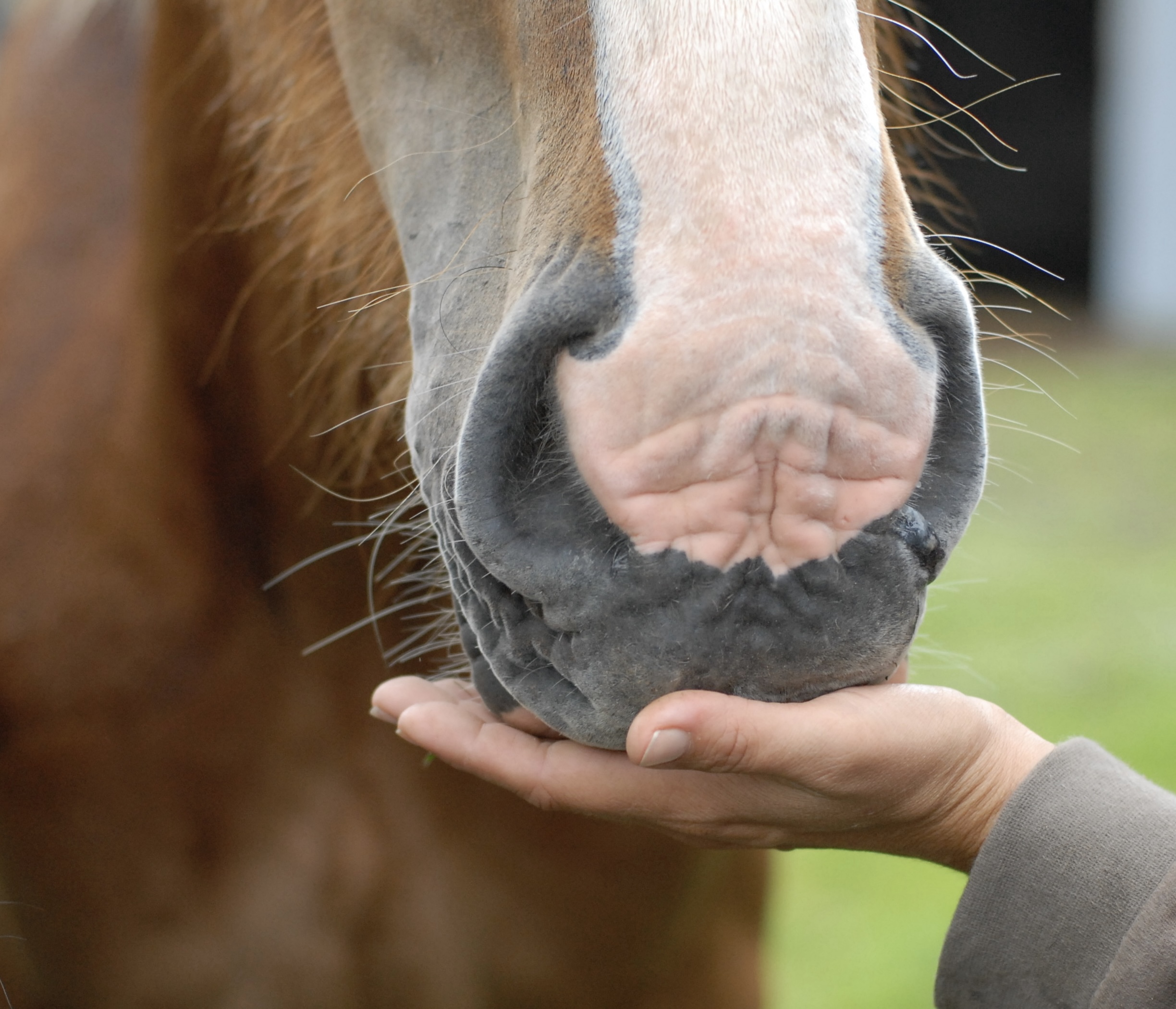
“Safety is much more than the absence of threat. Safety is the presence of connection.”—Dr. Stephen Porges For horses, safety is more than simply having nothing frightening happening in the moment. A horse can stand quietly while still being watchful, guarded,…
-
Your Horse Is Always Learning: What the Brain Is Doing Beneath the Behavior

Your horse is learning all the time. He is not only learning the exercise you deliberately set out to teach. He is also learning patterns, expectations, emotional associations, bodily responses, and predictions about what is likely to happen next. Understanding a…
-
Science-Based Perspectives on Equine Spinal Posture – help for Kissing Spines?

MaManaging horses with kissing spines—whether conservatively or following surgery—often comes down to one central question: How does the horse organize and support its trunk during movement? A 2025 study published in Frontiers in Veterinary Science examined the effects of…
-
Could Your Horse Have Sacroiliac (SI) Pain?
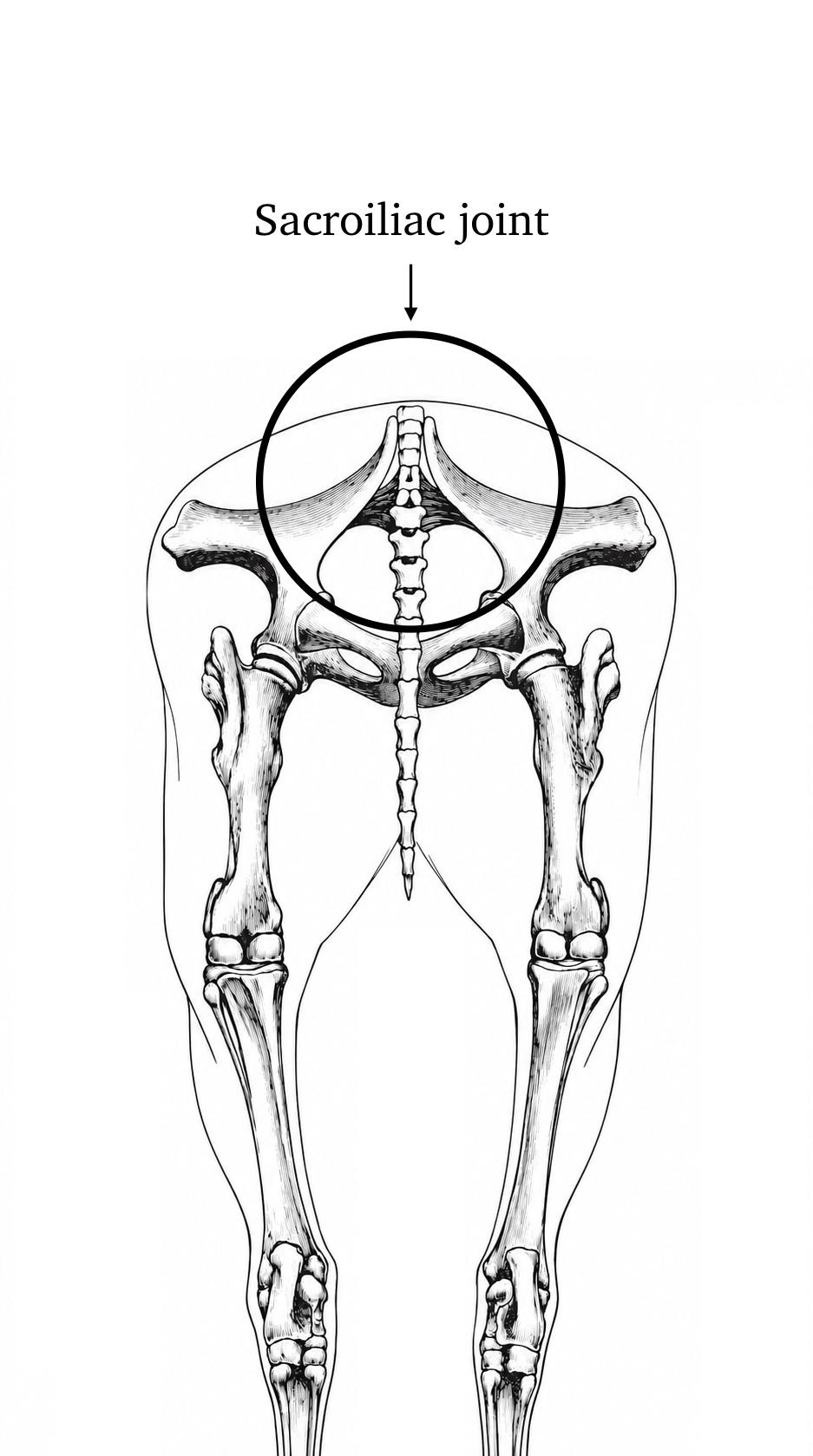
The sacroiliac (SI) joints connect the pelvis to the spine and play a critical role in transferring forces generated by the hind limbs through the rest of the body. Every stride, jump, transition, and effort to engage the hindquarters depends on…
-
The 3 Layers of the Equine Movement System: How Massage and Fascial Therapy Influence Each One
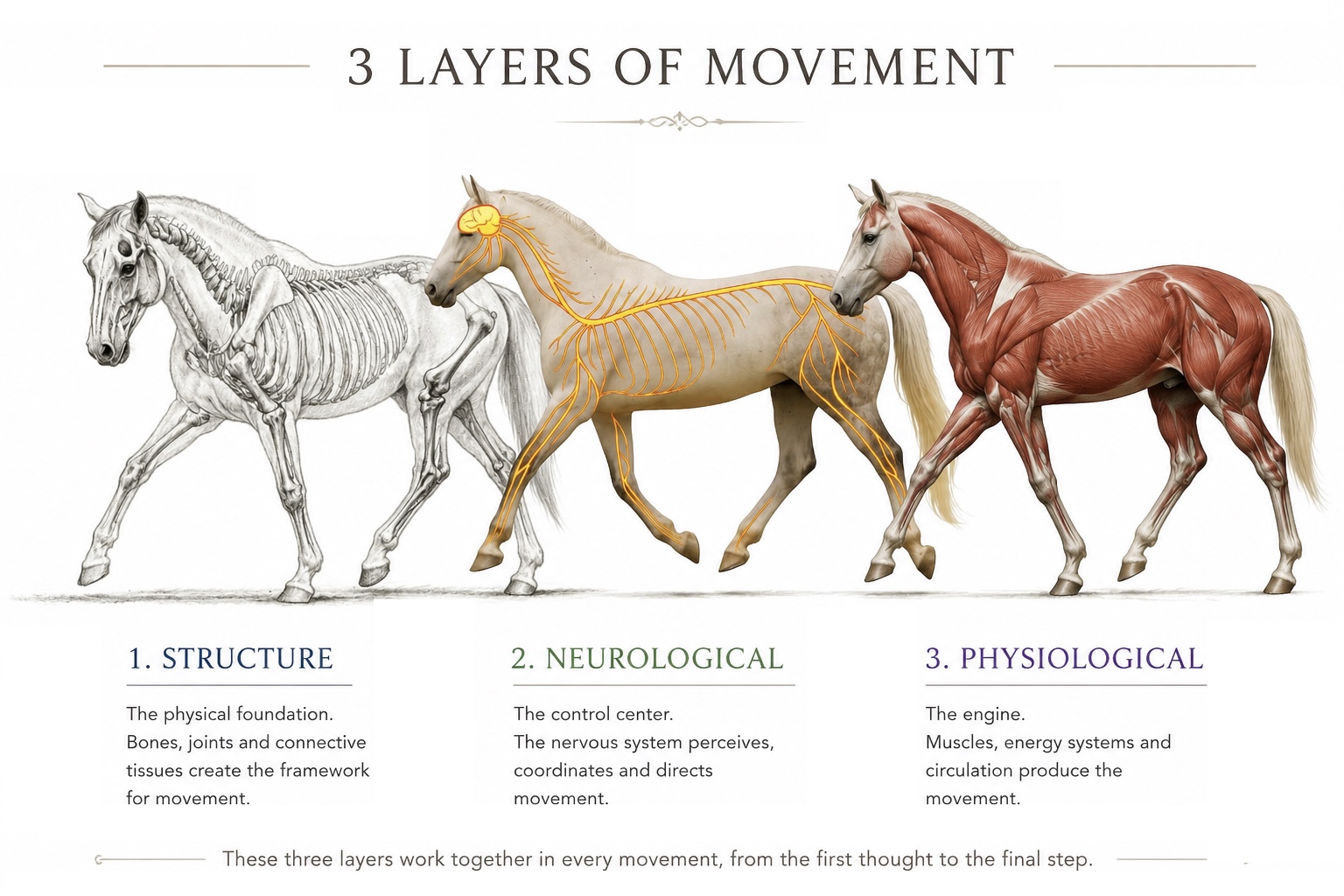
The Three Layers of Movement: How Massage and Fascial Therapy Support the Whole Horse Movement is far more than muscles pulling on bones. Every stride, transition, and adjustment in balance depends on continuous communication between the horse’s structural tissues, nervous system,…
-
Beyond Massage: A Progressive Framework for Understanding How Horses Actually Change

For decades, the Dressage Training Scale has provided riders and trainers with a framework for understanding how horses develop. Traditionally, it has been presented as a series of progressive steps, with each quality providing the foundation for the next. Rhythm supports…
-
Feeling the Flow: A Modern Perspective on “Chi”

For centuries, Traditional Chinese Medicine (TCM) has described a vital force known as Qi (Chi) that flows throughout the body, supporting health, movement, and well-being. Although modern science uses different terminology, many of the experiences traditionally associated with the free flow…
-
Anhidrosis in Horses: Understanding the Equine “Non-Sweater”

Anhidrosis, often called non-sweating syndrome, is a condition in which a horse produces little or no sweat. Because sweating is the horse’s primary method of cooling itself, affected horses have a greatly reduced ability to regulate body temperature and are at…
-
When Tight Shoulders Become a Whole-Body Problem

A horse’s body is designed to distribute forces efficiently from head to tail. Every stride, landing, transition, and turn depends on multiple structures working together to absorb shock, transfer energy, and maintain balance. When one region becomes less efficient, the body…
-
31 Things Every Horse Owner Should Know About Horses and Heat
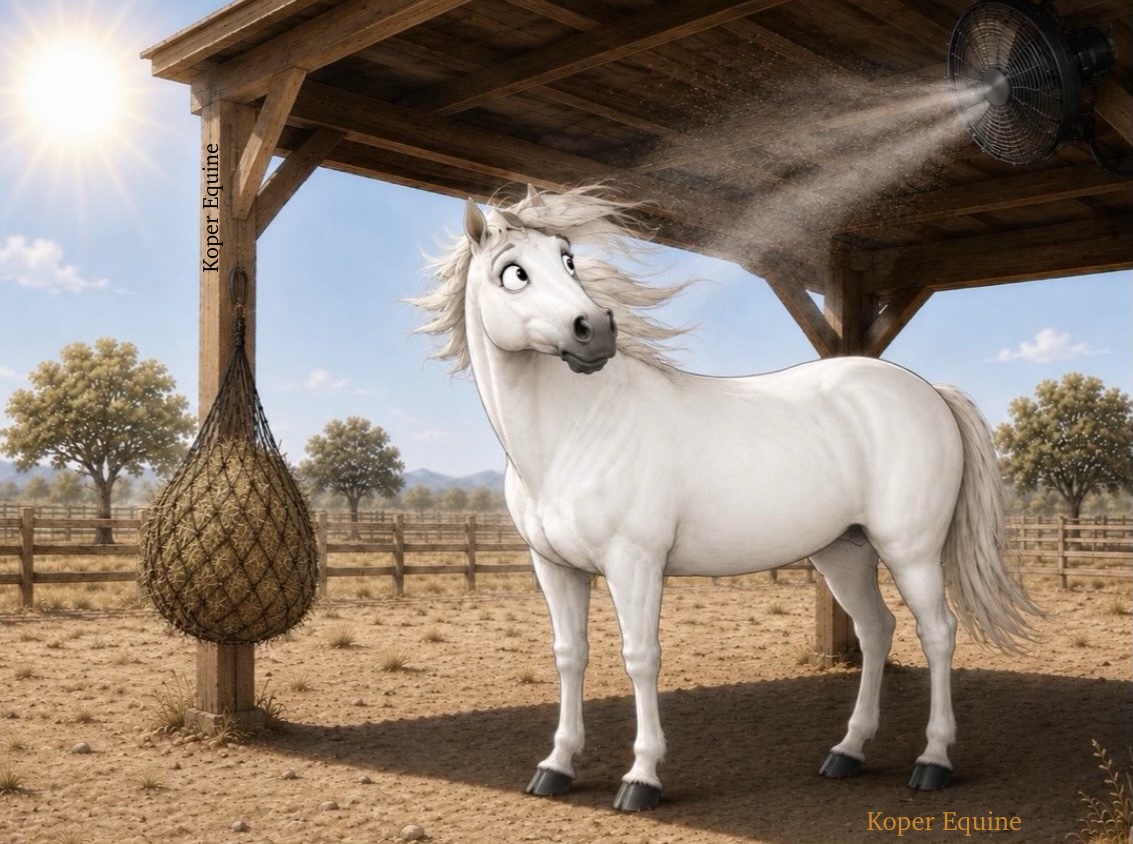
31 Things Every Horse Owner Should Know About Horses and Heat Hot weather presents unique challenges for horses. Although they are remarkably efficient at dissipating heat, they also generate enormous amounts of it during exercise. Their ability to maintain a safe…