
Diet & Nutrition
-
False Dandelion Poisoning in Horses
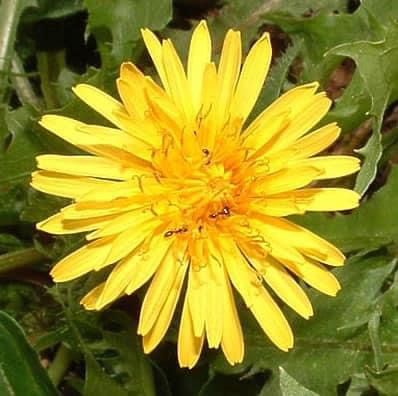
Carolina False Dandelion, also known as Carolina desert-chicory (Pyrrhopappus Carolinianus), is native to the southeastern United States. It can be found in states such as North Carolina, South Carolina, Georgia, and Florida, typically in dry, sandy habitats such as roadsides, fields,…
-
NRF2: Exploring its Role, Benefits & Dietary Activation in Horses
What is NRF2 NRF2 (Nuclear factor erythroid 2-related factor 2) is a protein that regulates the horse’s antioxidant response and cellular defense mechanisms. It attaches to specific parts of DNA to control which genes are turned on or off. By doing…
-
A Guide to Understanding Biotics: Prebiotics, Probiotics & Postbiotics
The equine gut microbiome refers to the diverse community of microorganisms, including bacteria, fungi, viruses, and other microbes, residing in the gastrointestinal tract of a horse. This complex ecosystem plays a crucial role in various physiological functions, such as digestion, nutrient…
-
10 Tips to Improve Muscle Care & Recovery
Bonus info: Muscles, fascia, joints, and bones develop at different rates and require different stimuli for optimal health: 1. Muscles: Muscles adapt well to repetitive patterns and progressive overload. Gradually increasing resistance helps build strength and endurance over time. 2. Bones:…
-
Equine Hydration: The Key to Muscle Glycogen Storage and Performance

Water plays a crucial role in many physiological processes in a horse’s body, including the storage of glycogen in muscles. Glycogen is a form of stored carbohydrate that serves as a readily available energy source for muscles during exercise. Here’s how…
-
Understanding Fascial Adhesions: Causes, Effects, and Reducing the Risk of Developing
Fascial adhesions refer to the abnormal binding of fascial tissues, which are thin, fibrous layers of connective tissue that encase muscles, bones, and organs. Fascia plays an essential role in stabilizing and supporting the body, and transmitting forces and energy throughout…
-
Bring Out the Dapples in Your Horse

Dapples on a horse are textured rings of color with a darker outer ring and a lighter color on the inside. I’ve heard them called “money spots” in the US and in the UK, they’re sometimes called “hammer marks” like the…
-
Understanding Ulcers: How Massage Can Play a Role in Post Ulcer Performance
Equine gastric ulcers are fairly common in horses. According to studies, up to 90% of racehorses and up to 60% of other performance horses may develop gastric ulcers at some point in their lives. They can affect any horse at any…
-
Enhancing Equine Wellness: Weight Management and Massage

Weight management is an important part of caring for your horse. An overweight horse is at risk for a number of heath issues, including but not limited to; Your vet can help you come up with a healthy weight management plan…
-
Temperature of Water Affects How Much Horses Drink

According to the AAEP the ideal water temperature for maximum palatability is between 45-65°F. Horses tend to consume less water if it falls outside this range, making your horse prone to dehydration, poor digestion efficiency, and intestinal impactions. Studies also show…