
Equine Bodywork
-
Feeling the Flow: A Modern Perspective on “Chi”

For centuries, Traditional Chinese Medicine (TCM) has described a vital force known as Qi (Chi) that flows throughout the body, supporting health, movement, and well-being. Although modern science uses different terminology, many of the experiences traditionally associated with the free flow…
-
Why Walking After Massage and Fascia Therapy Matters

Massage and fascial therapy do more than influence muscles and connective tissue—they also change the sensory information being sent to the nervous system. Once tissue tension changes, the horse’s brain immediately begins interpreting this new information and deciding how it will…
-
🐎 The Most Overlooked Fluid System in The Horse: Cerebrospinal Fluid (CSF)

When equine neurological health is discussed, attention usually focuses on nerves, coordination, proprioception, and neurological disorders. Yet an equally important system quietly supports how the nervous system functions: cerebrospinal fluid (CSF). CSF is often described simply as cushioning for the brain…
-
Somatic Work – How Sensory-Based Touch and Movement Shape Regulation, Mobility, and Soundness
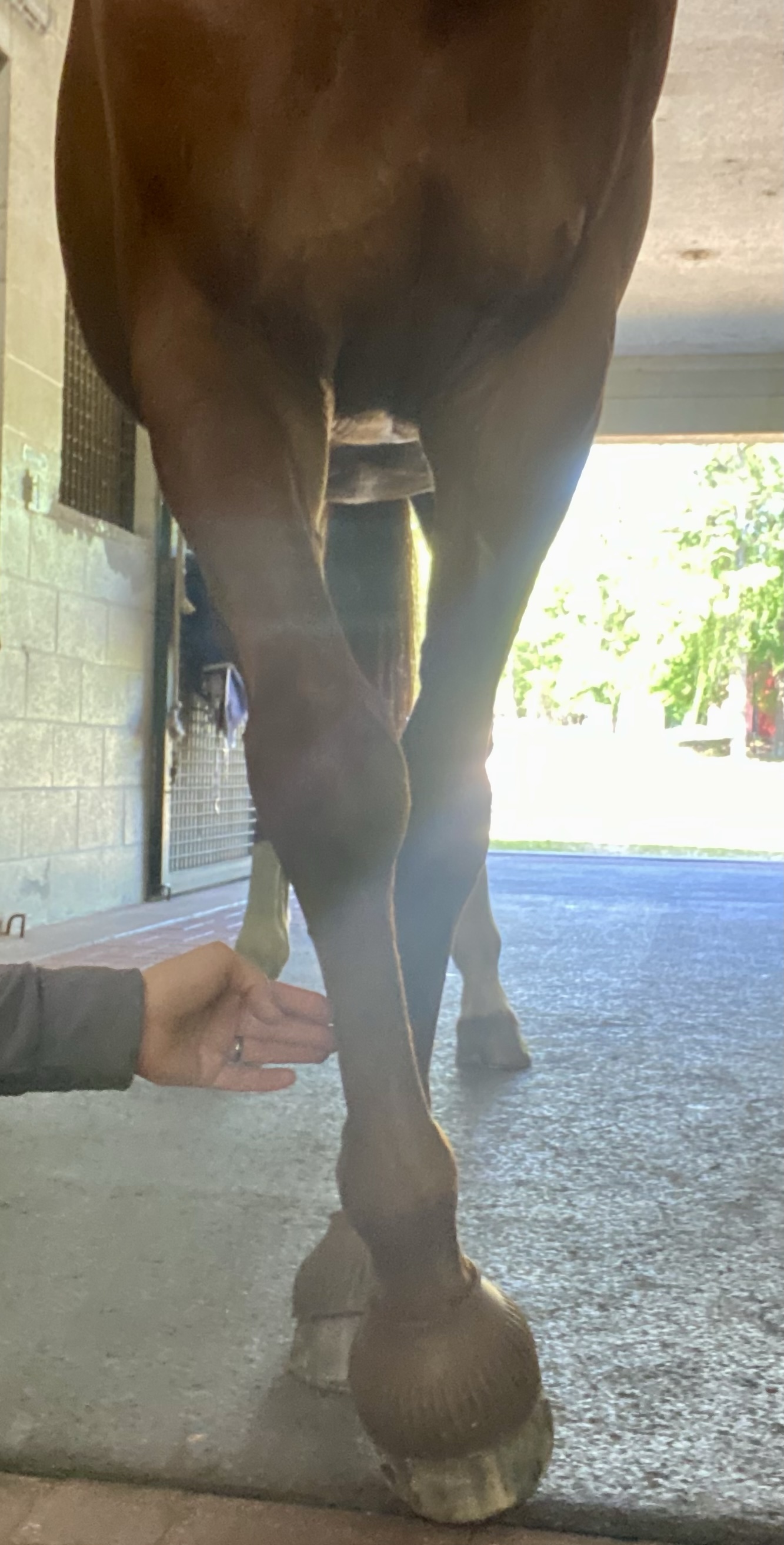
Somatic work for horses is not a single technique or branded modality. It is an approach to bodywork and movement support that prioritizes how the horse experiences sensation and how the nervous system organizes movement in response to that sensation. Rather…
-
Equine Acupressure

When I first set out to learn acupressure, it wasn’t because I felt especially drawn to it. It was simply part of my coursework, and I approached it with a healthy dose of skepticism. At the time, my understanding of effective…
-
What Is the Purpose of Feeling Stiff?

Why Feeling Stiff Is Not the Same as Being Stiff Stiffness is one of the most common physical sensations reported after activity, injury, or periods of stress. It is often interpreted as tight muscles, restricted fascia, or joints that have lost…
-
Reciprocity in Horses: How the Nervous System Shares Load, Movement, and Force
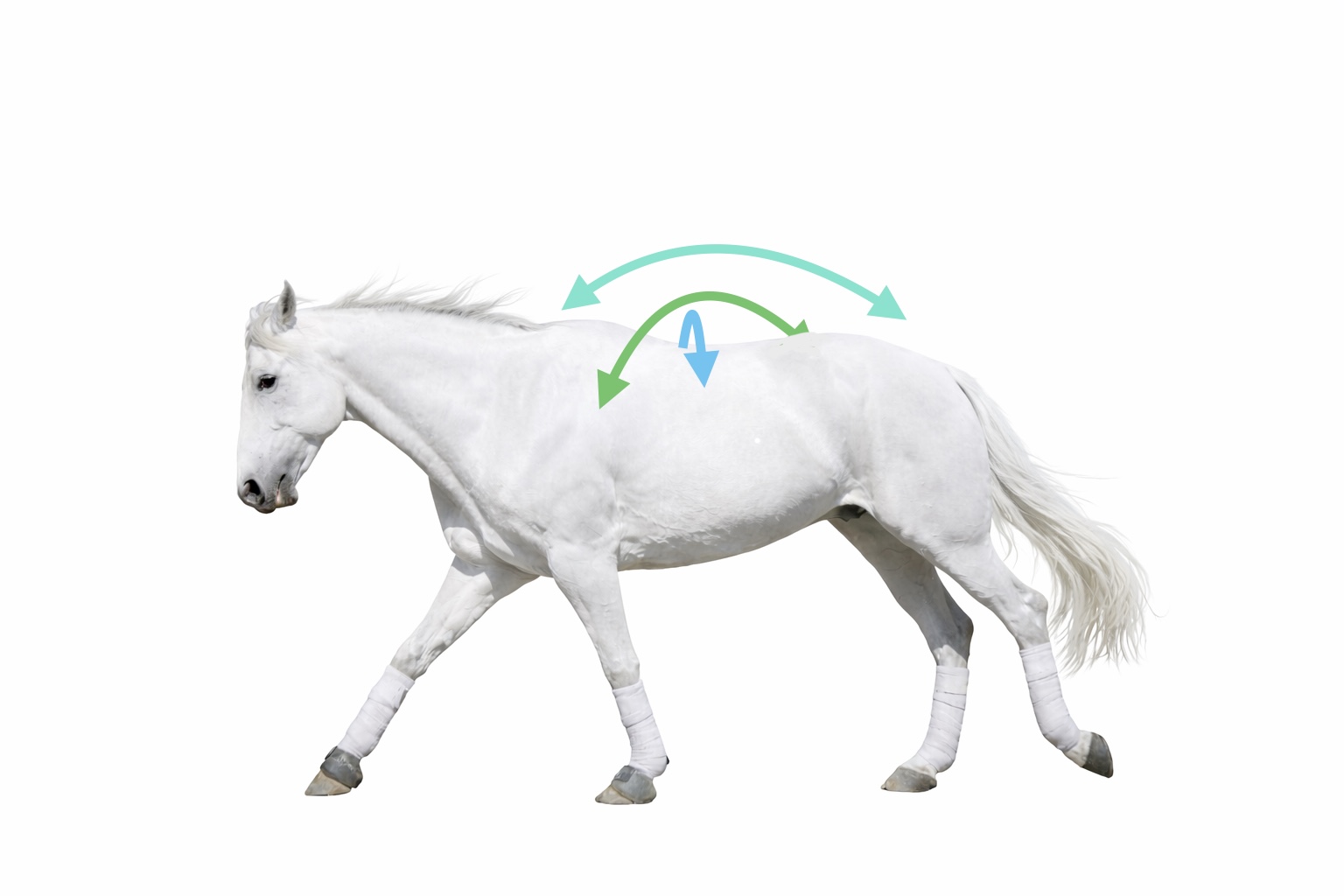
Every movement a horse makes relies on a sophisticated system of coordination that distributes load, tension, and movement across the body. A central principle behind this coordination is reciprocity—the organized exchange of load, activation, and release between different parts of the…
-
Trigger Points: Sarcomere Contraction, Ischemia, and Pain Signaling – Why massage therapy is the most effective way to address them

Trigger points are often described as “knots” in muscle, but this description does not accurately reflect what is occurring in the tissue. Trigger points are not hardened lumps or structural defects. Instead, they are localized neuromuscular events involving sustained…
-
The Limbic System in Massage and Bodywork: Why Emotional State Shapes Physical Response
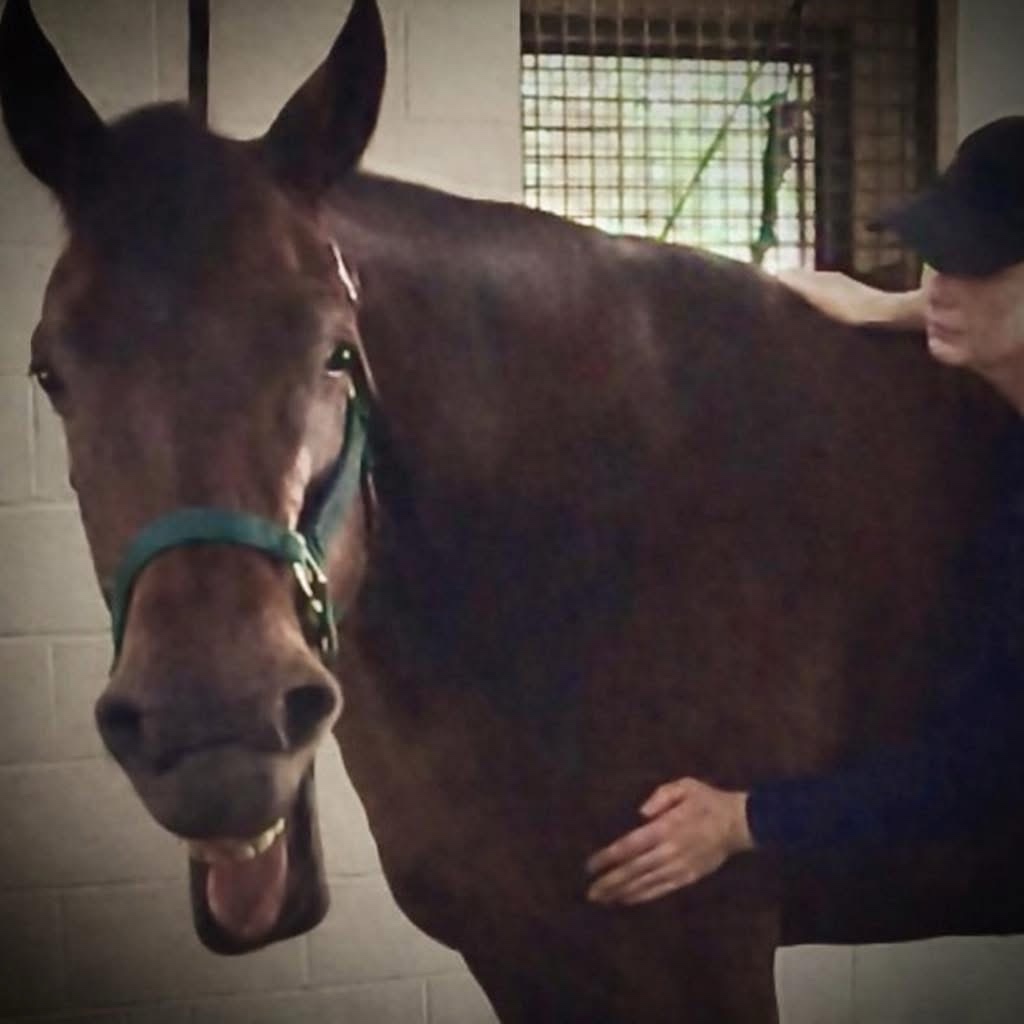
In massage and bodywork, results are influenced by far more than technique or pressure. They are shaped by the horse’s limbic system—the network in the brain responsible for emotion, memory, arousal, and the sense of safety. Understanding the limbic system helps…
-
Crackle and Pop – How joint stress, trigger points, and proprioception are connected — and how massage therapy supports joint health

Horses, and humans, sometimes produce audible joint sounds—pops, clicks, or releases—during movement, stretching, or after bodywork. These sounds can concern owners, especially when they occur in frequently used or stressed areas such as the neck, shoulders, stifles, or hocks. Scope clarification:…