
Equine Bodywork
-
The Immune System, Massage, and the Biology of Recovery
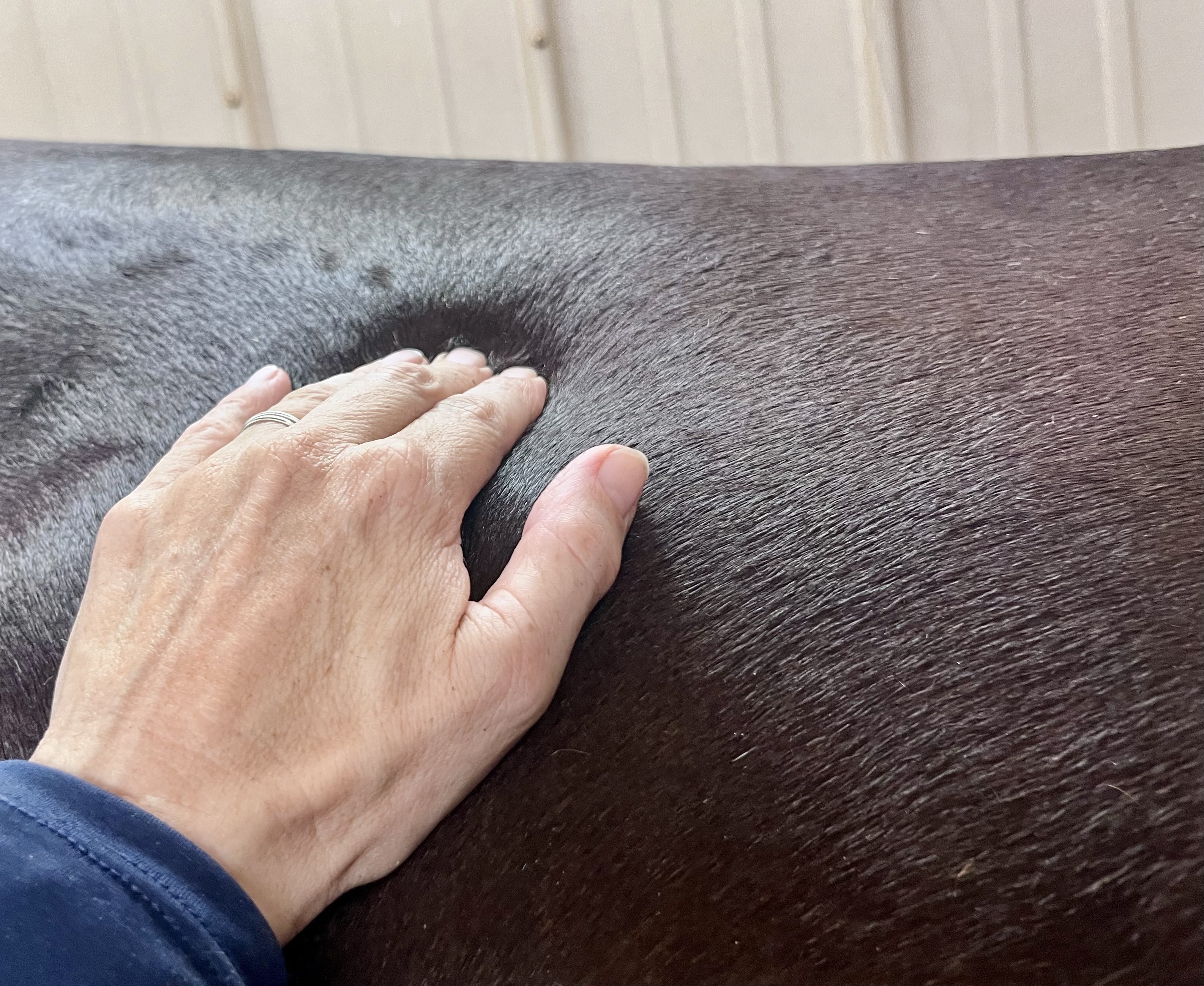
The immune system’s influence on physiology extends far beyond fighting infection. It is in constant communication with the nThe immune system’s influence on physiology extends far beyond fighting infection. It is in constant communication with the nervous, endocrine, circulatory, lymphatic,…
-
Cribbers and Bodywork: Why Are Some So Good at Receiving It?
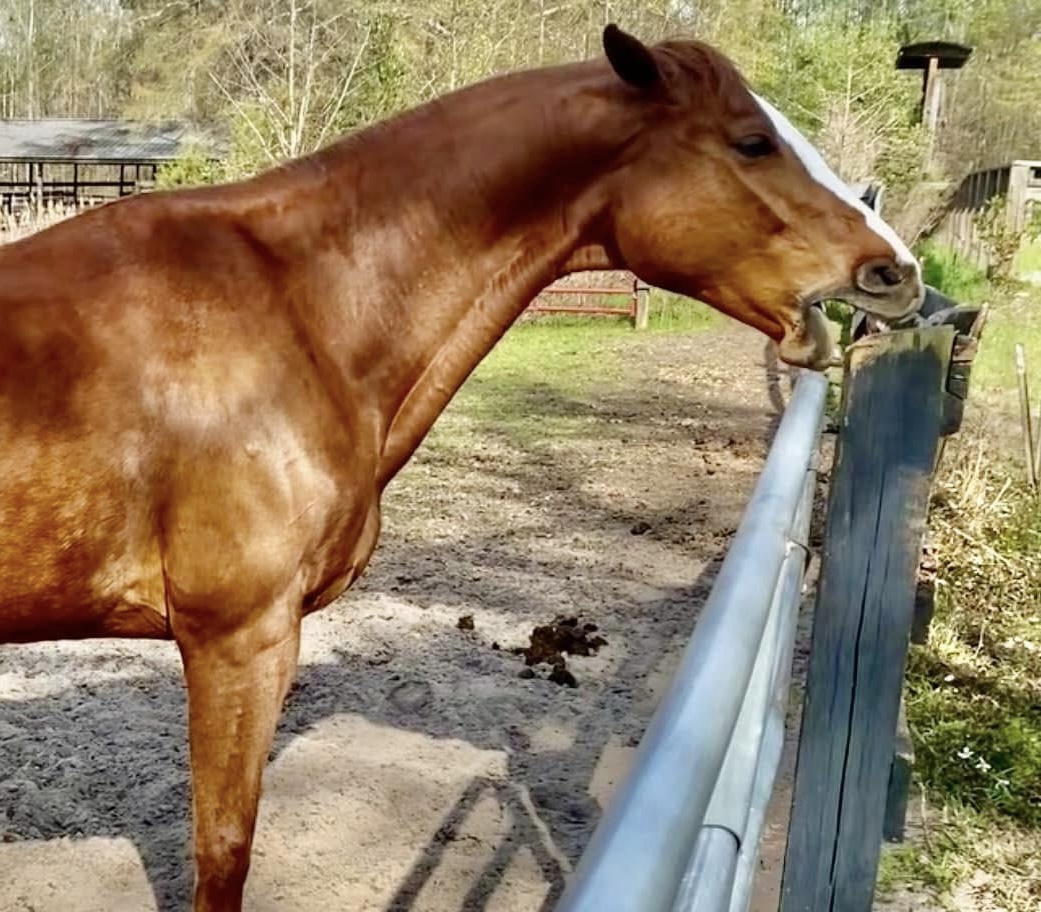
When we talk about cribbing, we usually talk about why horses do it. Stress. Ulcers and gastrointestinal health. Management. Stereotypic behavior. Reward systems and the way cribbing may help some horses regulate how they feel. But bodyworkers often notice something else.…
-
What New Research Reveals About Equine Myofascial Pain
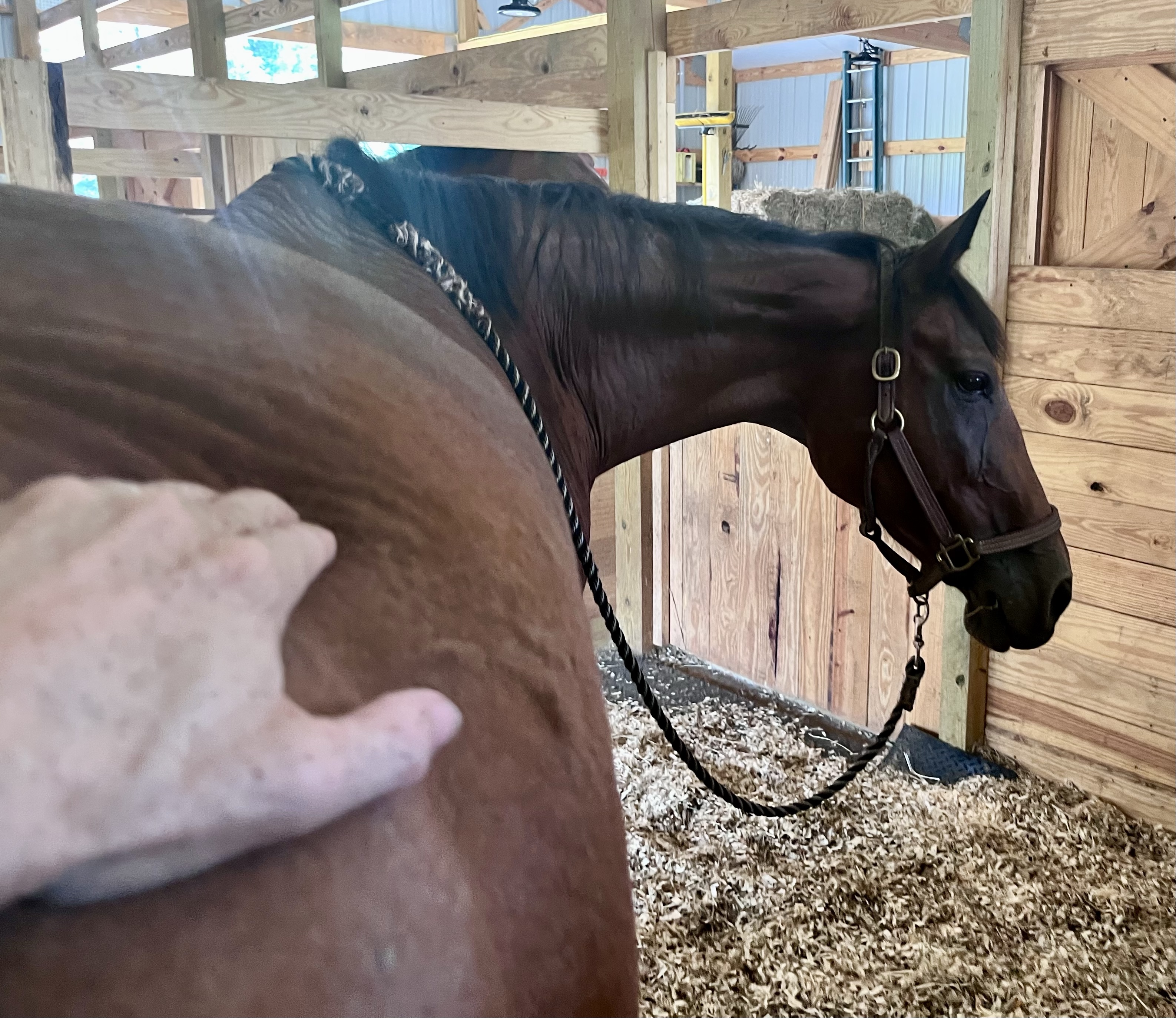
A June 2026 study investigating thoracolumbar myofascial pain in horses raises some interesting questions about how muscular and myofascial discomfort may show up—and how easily some of those signs could be overlooked. The researchers weren’t simply asking whether horses could have…
-
Built to Perform: 14 Reasons Horses Are Among Nature’s Greatest Athletes
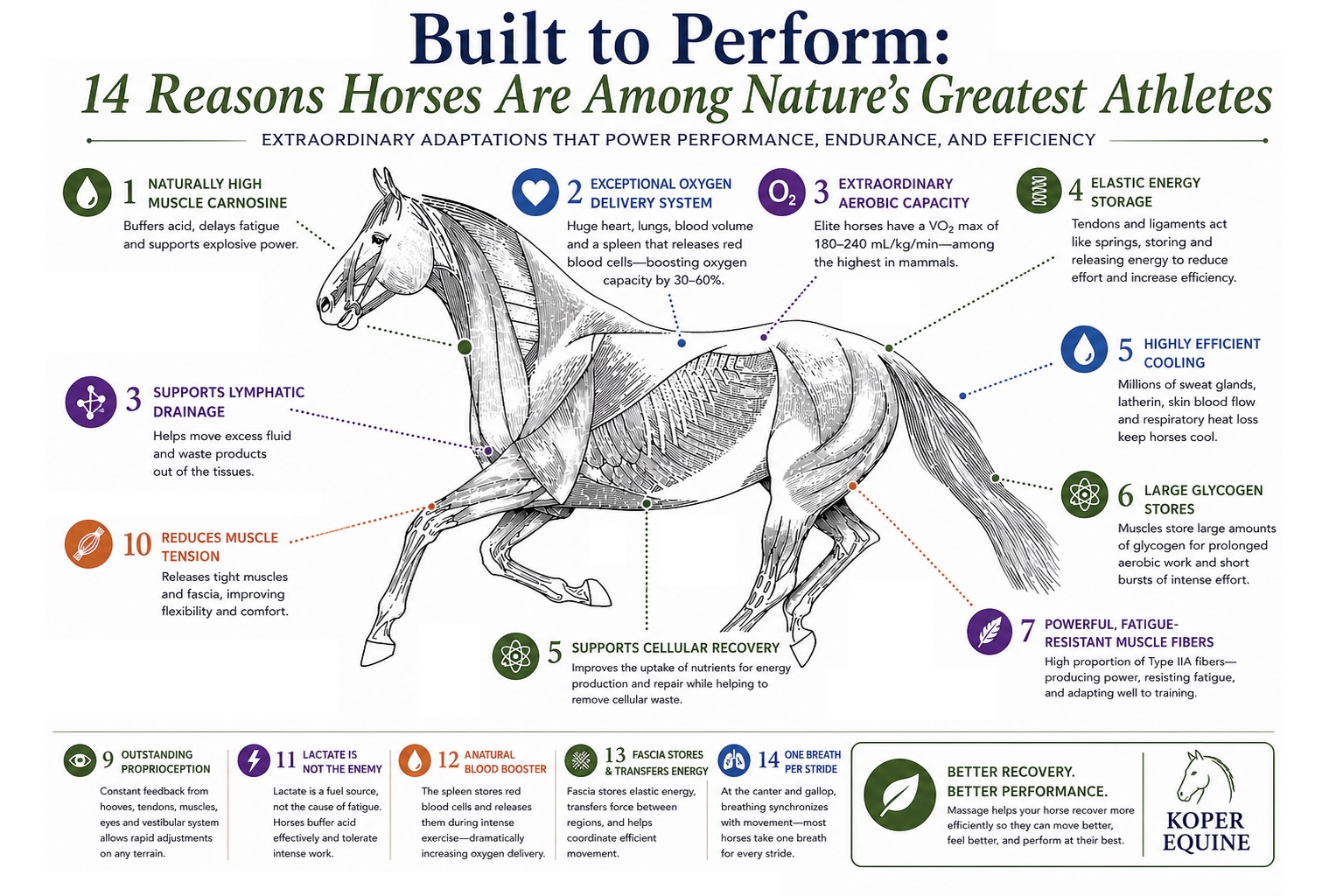
Horses are among the most highly adapted athletes on Earth. Millions of years of evolution have produced an animal capable of extraordinary speed, endurHorses are among the most highly adapted athletes on Earth. Millions of years of evolution have produced an…
-
Better Muscle Balance Supports Better Tendon Health
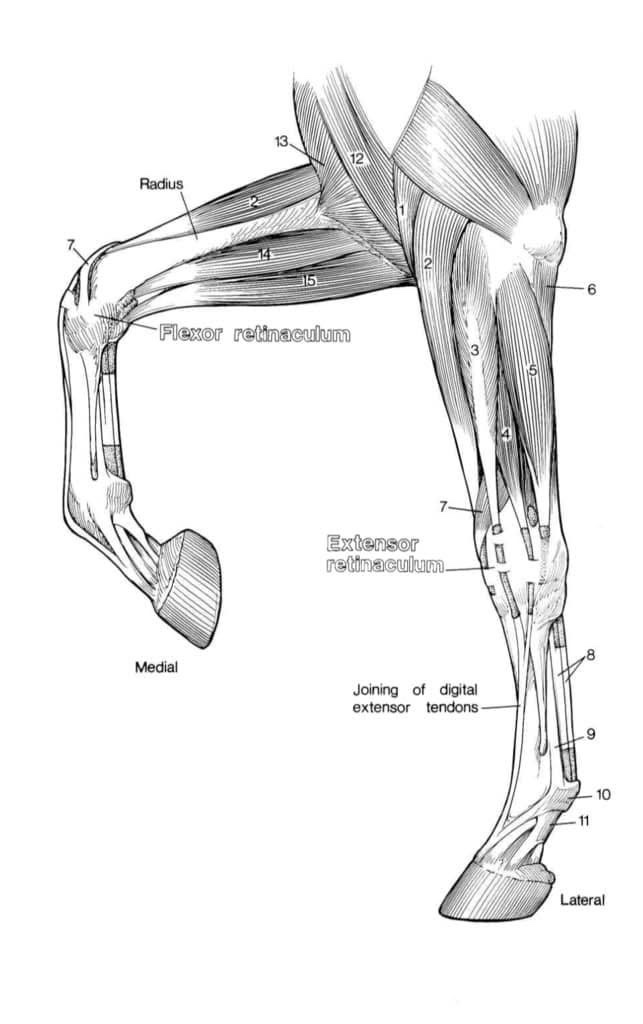
When people think about tendon injuries, they often focus on the tendon itself. Yet tendons never work in isolation. Every tendon is influenced by the muscles attached to it, the joints it crosses, the surrounding fascia, and the movement patterns occurring…
-
The Science Behind How Massage Supports Exercise Recovery
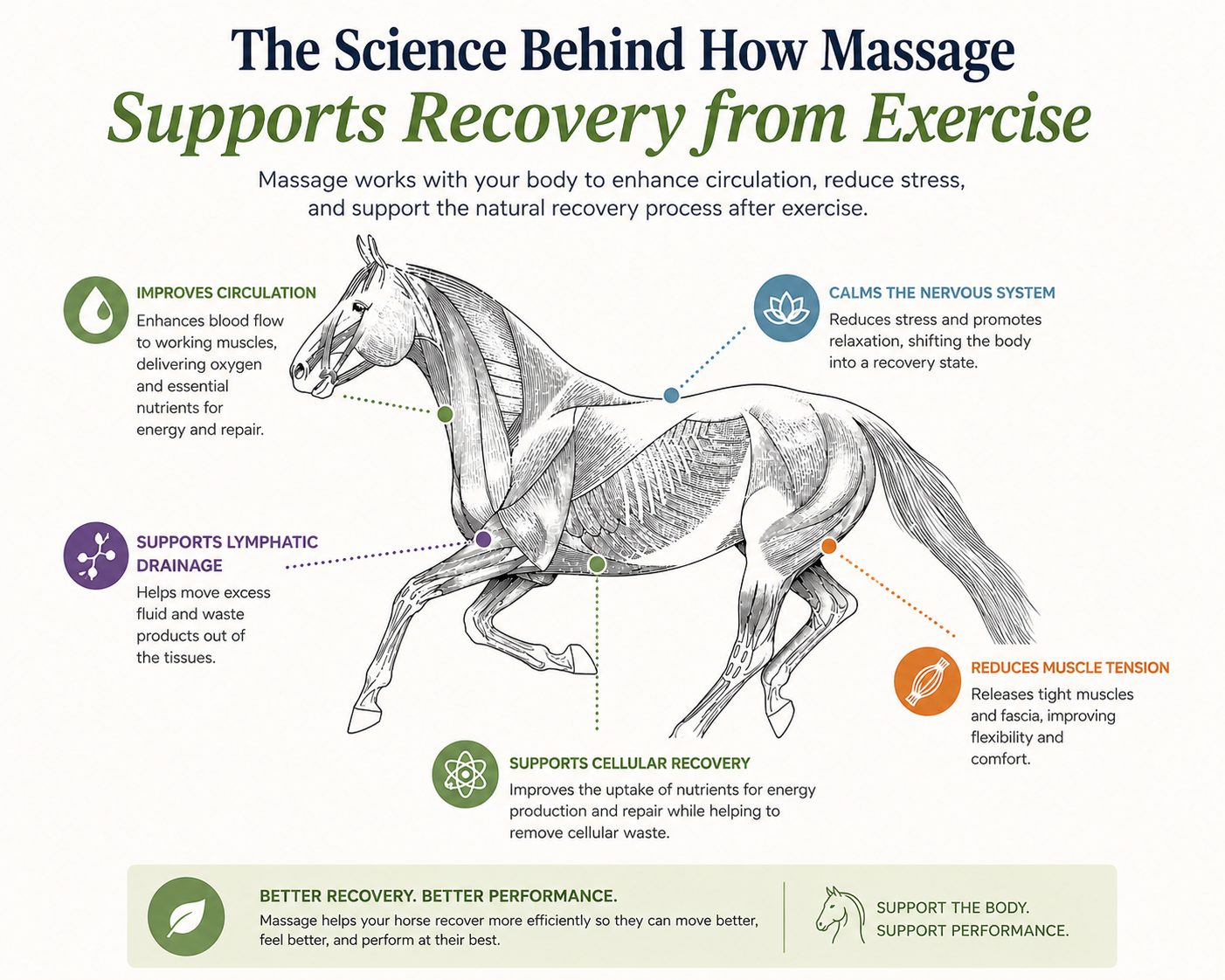
Exercise places mechanical, metabolic, and physiological demands on the muscles, fascia, tendons, ligaments, and nervous system. Recovery is the process by which the body restores normal tissue function, replenishes cellular resources, repairs microscopic damage, and prepares for the next bout of…
-
The GRF Effect: Fascia Tells the Story
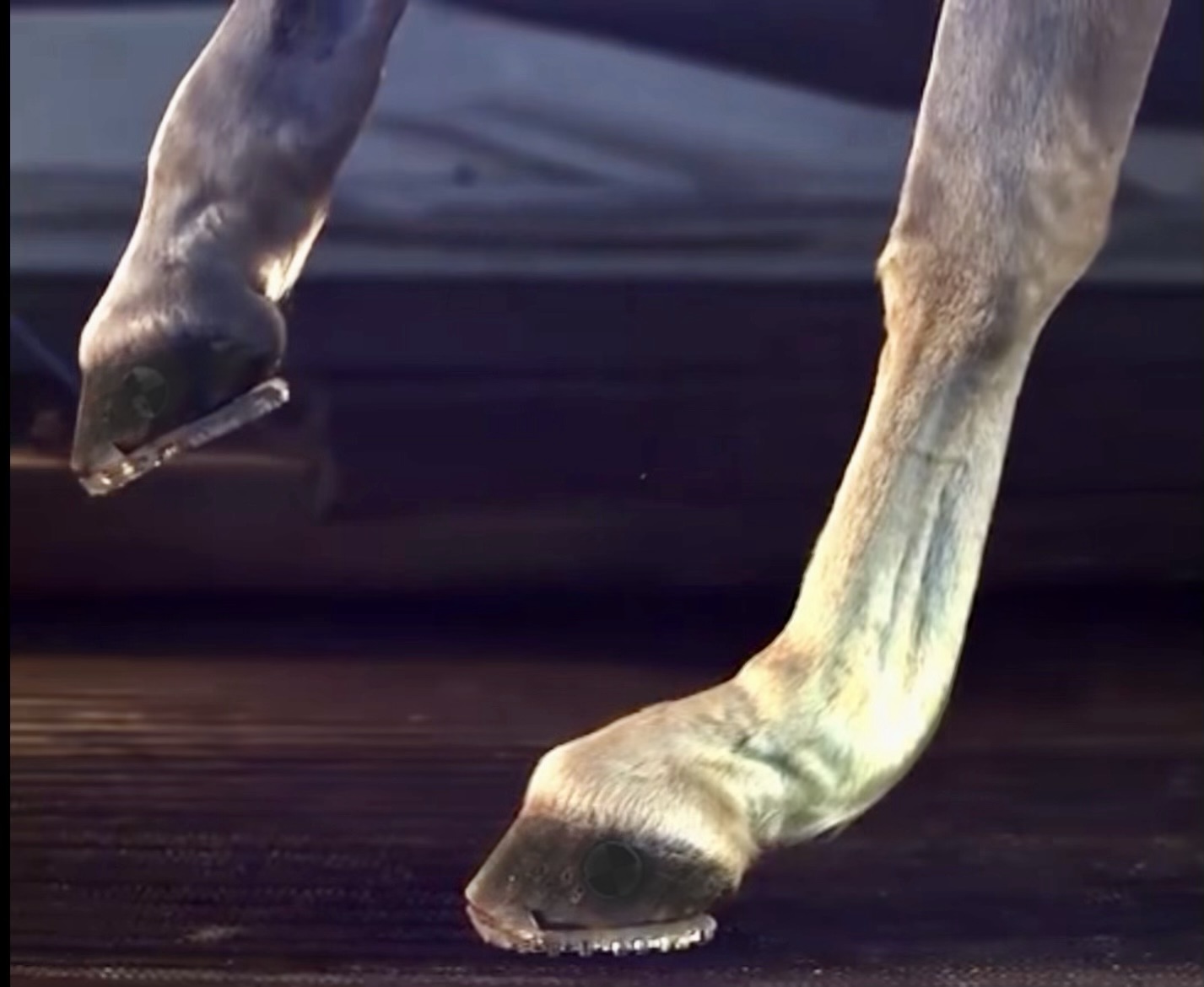
Ground Reaction Force (GRF) is the force the ground sends back into the horse’s body in response to the force the horse applies downward.It’s Newton’s third law in action: for every push into the ground, there is an equal push back…
-
The 3 Layers of the Equine Movement System: How Massage and Fascial Therapy Influence Each One
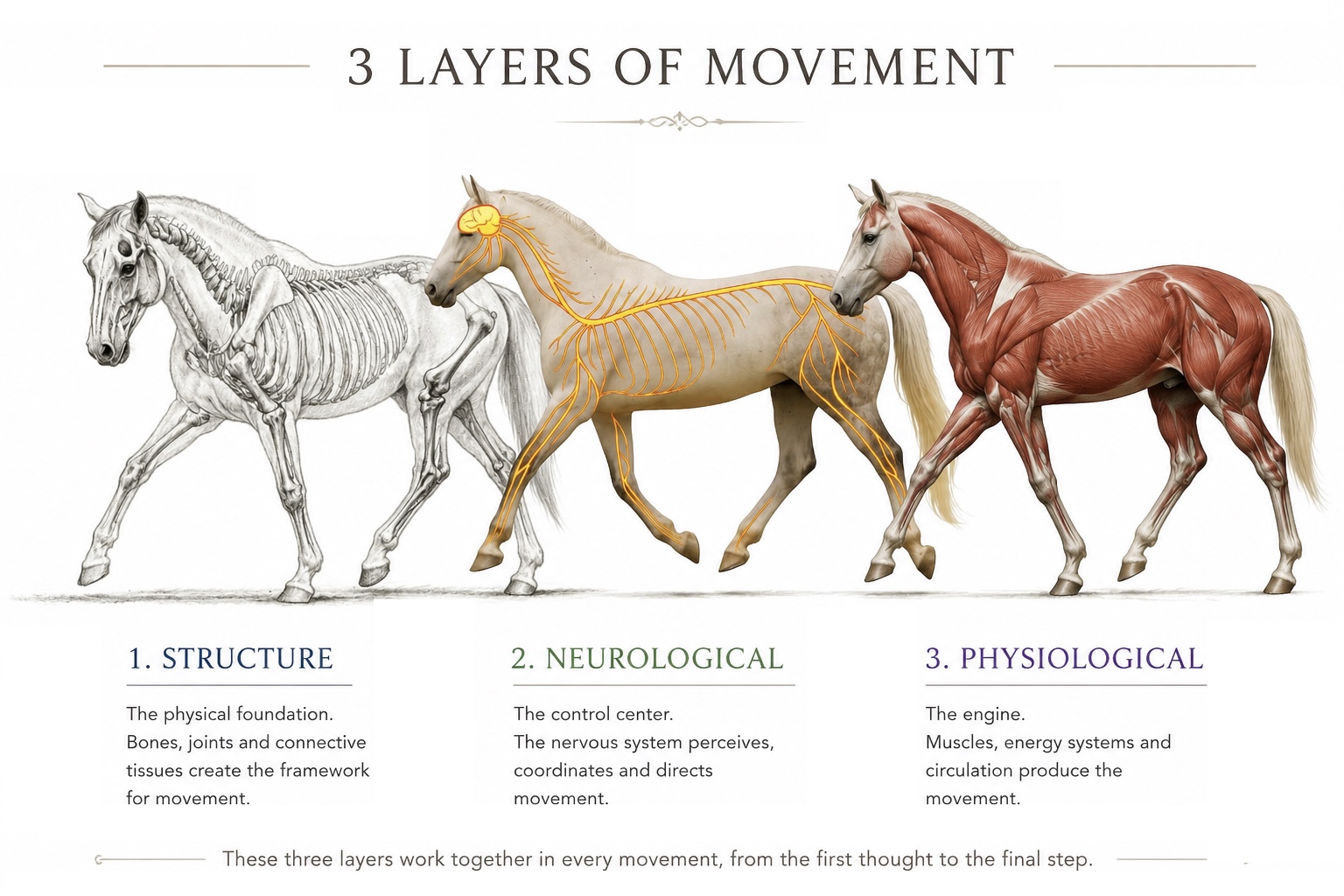
The Three Layers of Movement: How Massage and Fascial Therapy Support the Whole Horse Movement is far more than muscles pulling on bones. Every stride, transition, and adjustment in balance depends on continuous communication between the horse’s structural tissues, nervous system,…
-
Beyond Massage: A Progressive Framework for Understanding How Horses Actually Change

For decades, the Dressage Training Scale has provided riders and trainers with a framework for understanding how horses develop. Traditionally, it has been presented as a series of progressive steps, with each quality providing the foundation for the next. Rhythm supports…
-
The Glymphatic System in Horses and Its Relevance to Massage Therapy
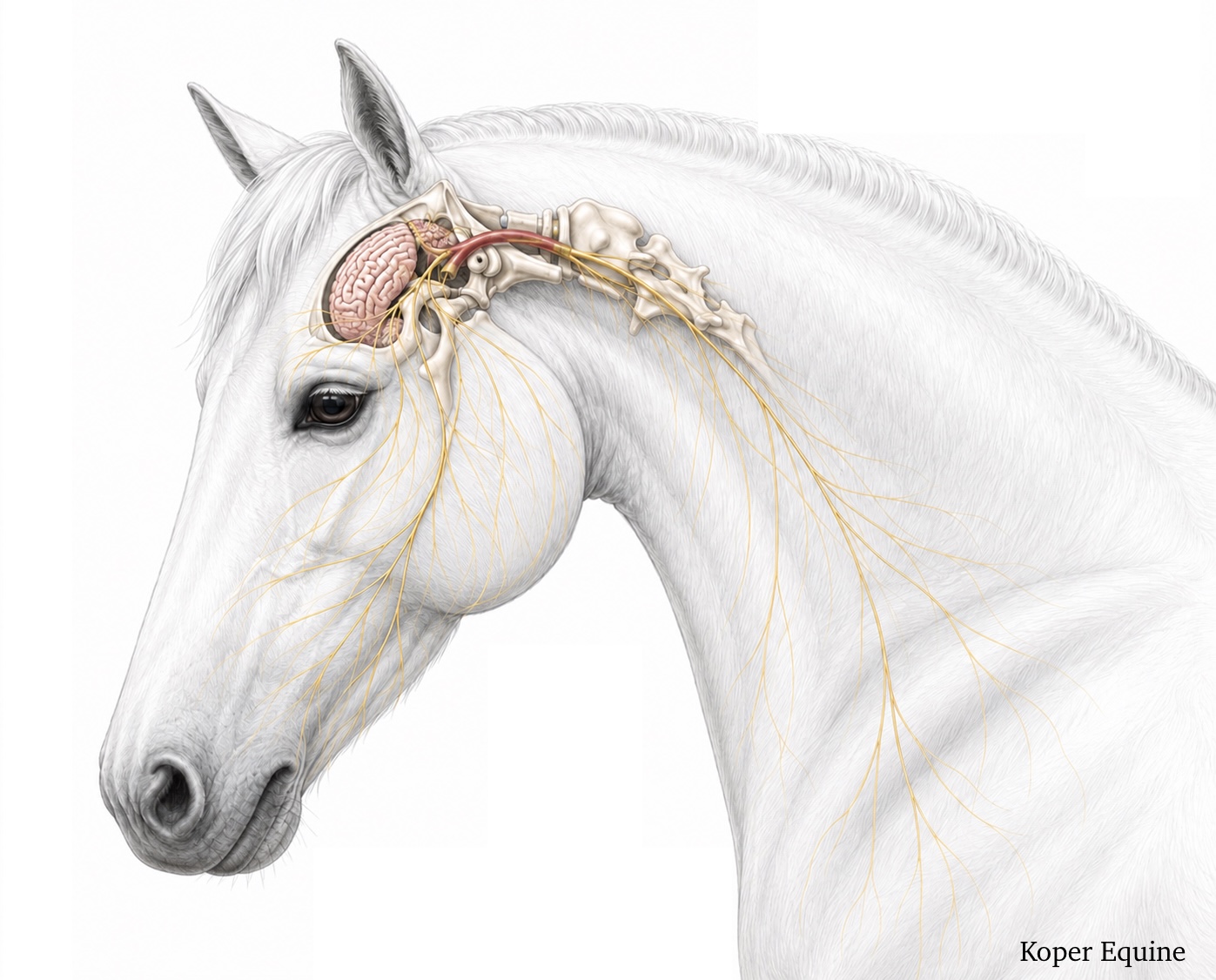
The glymphatic system is the brain’s waste-clearance system. Although it has been studied most extensively in humans and laboratory animals, current evidence suggests that horses possess a similar system that likely functions in much the same way. Equine-specific research is still…