
Exercises
-
Why Walking Is One of the Most Powerful Nervous System and Fascial Regulators in the Horse
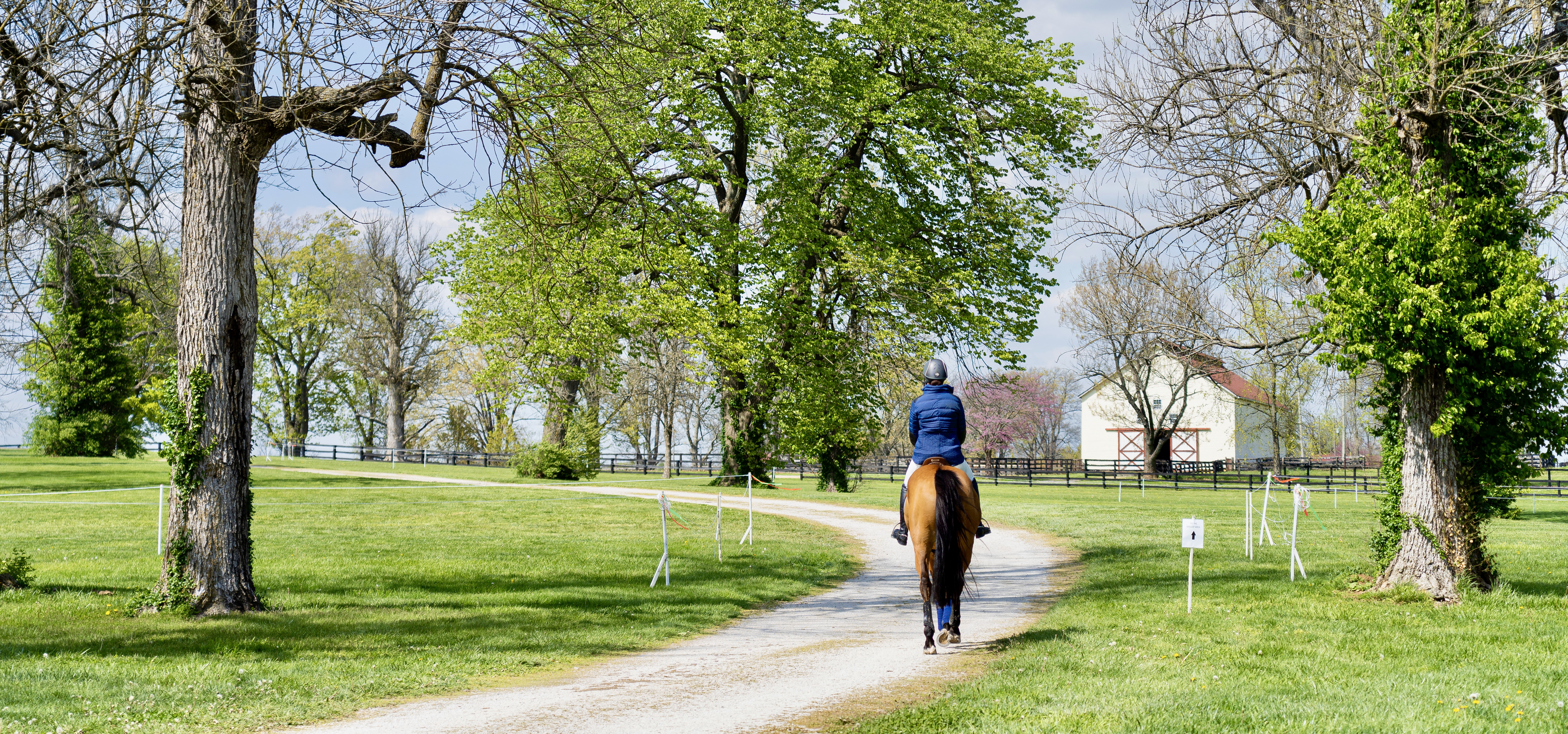
Walking is often underestimated. It is commonly treated as a warm-up, a cool-down, or something reserved for horses that are sore, aging, or “not working hard.” In reality, slow, rhythmic walking is one of the most effective ways to regulate the…
-
Hill Work: Simple. Powerful. Underrated.
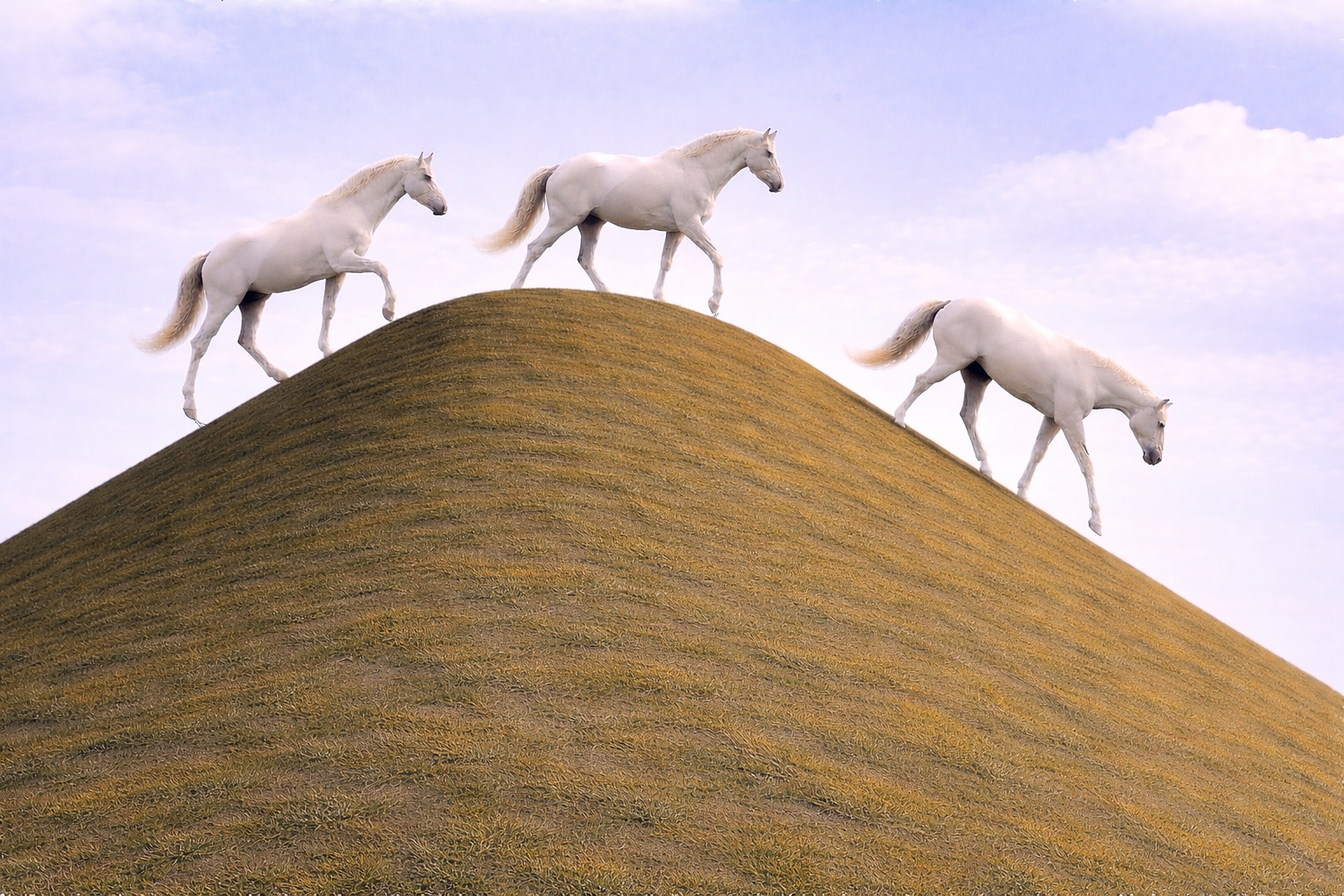
Hill work is one of those training tools that looks almost too basic to make a major difference. But when you zoom out and consider what it is actually doing to the horse’s body, it becomes incredibly powerful. Working on slopes…
-
How to Develop Postural Muscle Endurance in Horses
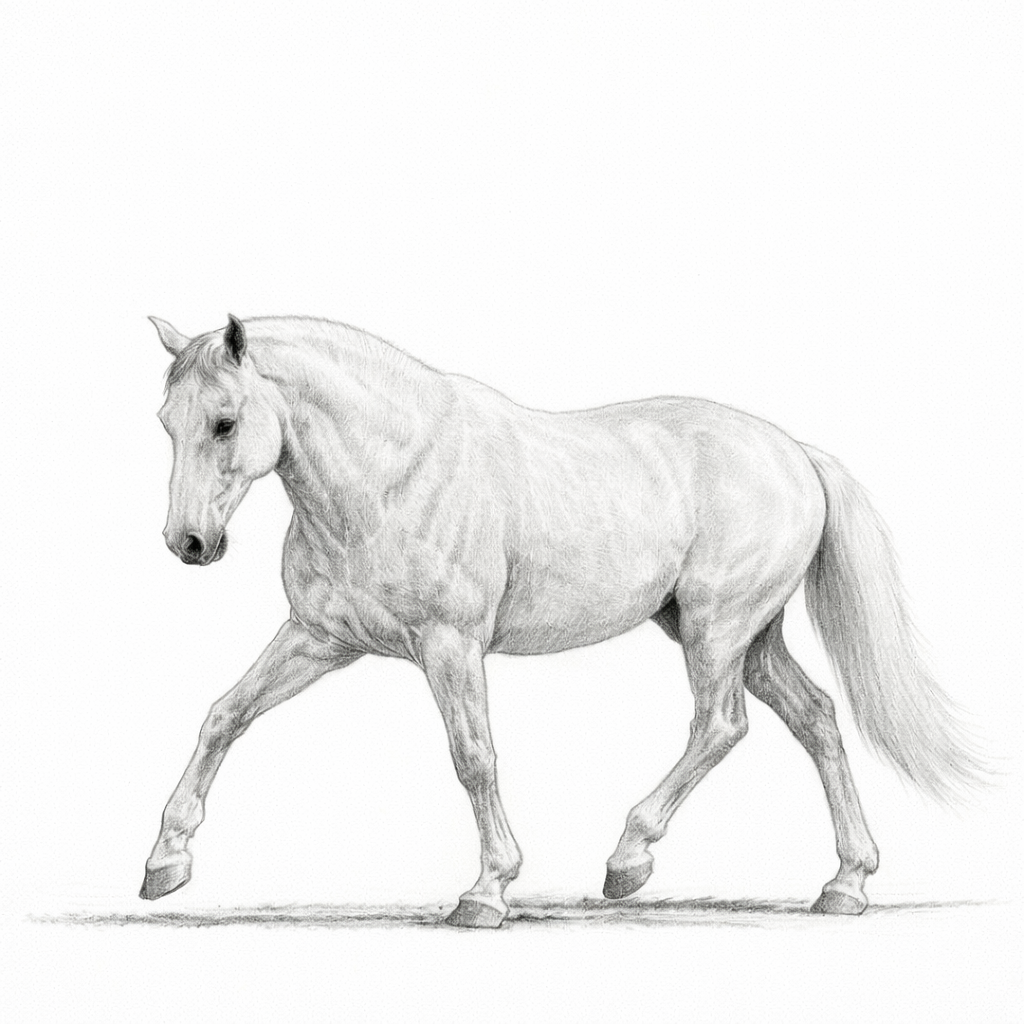
Postural muscle endurance is your horse’s ability to maintain a healthy, organized posture over time without collapsing, bracing, or compensating. This quality is foundational for sound movement, balance, and long-term comfort, yet it is often misunderstood or overlooked in training programs.…
-
The Power of Slow: Why Slow Work Is Beneficial for Horses

In today’s fast-paced equestrian world—where high-level competition, quick fixes, and instant results often steal the spotlight—the quiet power of slow, deliberate work can be overlooked. Yet slow work is one of the most effective ways to develop a sound, balanced, and…
-
Fascial Fitness Training: Enhancing Equine Performance and Longevity
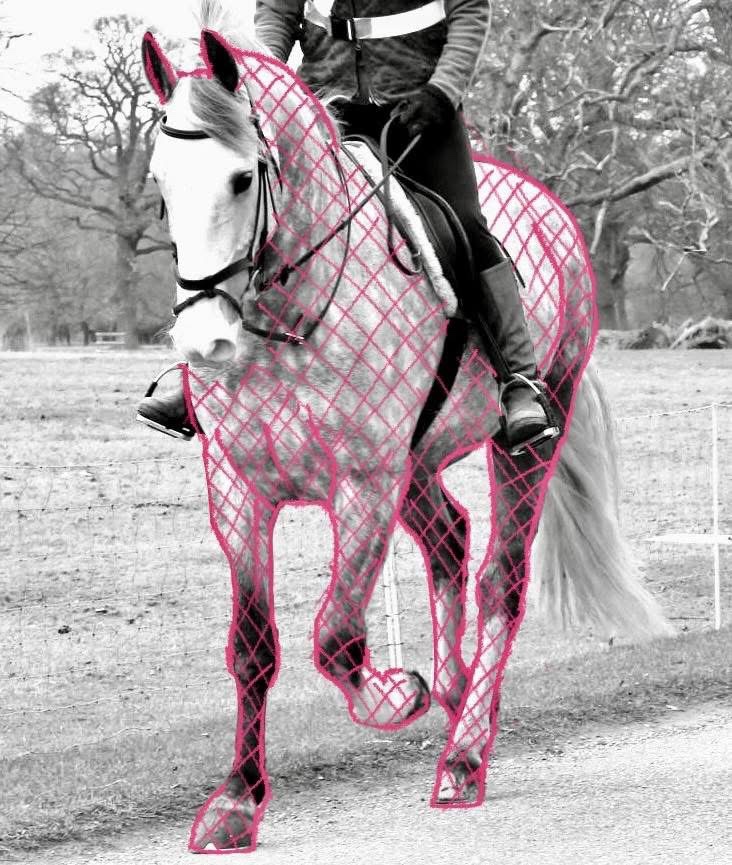
Modern research on fascial fitness supports the long-established practice of Long Slow Distance (LSD) training, confirming its role in developing strong, resilient connective tissues. Fascia—the intricate web of connective tissue that supports muscles, tendons, and ligaments—responds dynamically to movement and loading…
-
Do You Consider Flatwork to Be “Ridden Bodywork”? Here’s Why You Should

Flatwork isn’t just about schooling movements or “putting in buttons”—it can, and should be, a form of ridden bodywork that strengthens, stretches, and balances your horse’s body. Just as hands-on bodywork helps release tension and improve muscular balance and mobility, thoughtful…
-
Exercise Promotes Nerve Growth: Insights from MIT Research

A new study by MIT engineers reveals that exercise benefits not just muscles but also neurons. The research demonstrates that muscle contractions release biochemical signals, known as myokines, which significantly promote nerve growth. When exposed to these signals, neurons grew four…
-
Myokines: Muscle Messengers That Promote Health

Myokines are signaling proteins and peptides secreted by skeletal muscles during contraction. These molecules play a vital role in communication between muscles and other organs, helping regulate various physiological processes throughout the body. Their release is significantly enhanced by exercise, highlighting…
-
How to Ride a Better Circle
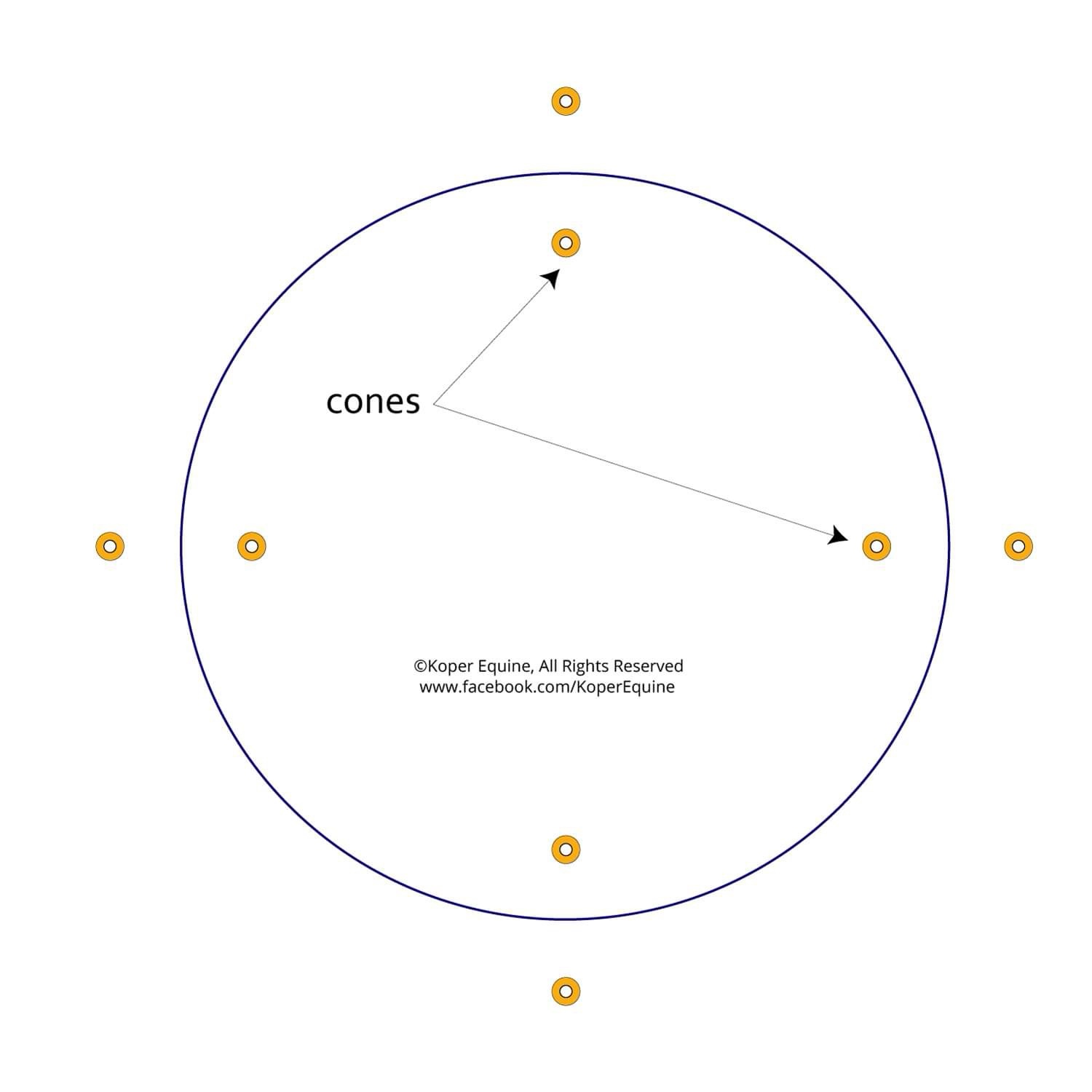
Why are circles important? Riding a circle is a valuable exercise for nearly all equine sports/disciplines. On a circle, essentially a prolonged turn, the inside hind-leg has to come farther under and carry more weight, and the outside hind-leg has to…
-
Putting Numbers to the Forces on a Horse’s Limbs Across Different Gaits

When horses move, each step places varying levels of force on their limbs, influenced by their gait, speed, and the surface they’re moving on. This force impacts their muscles, tendons, ligaments, and bones—playing a significant role in their performance and susceptibility…