
Equine Anatomy
-
Thixotropy and Fascia: Why Tissue Softens With Movement and Bodywork
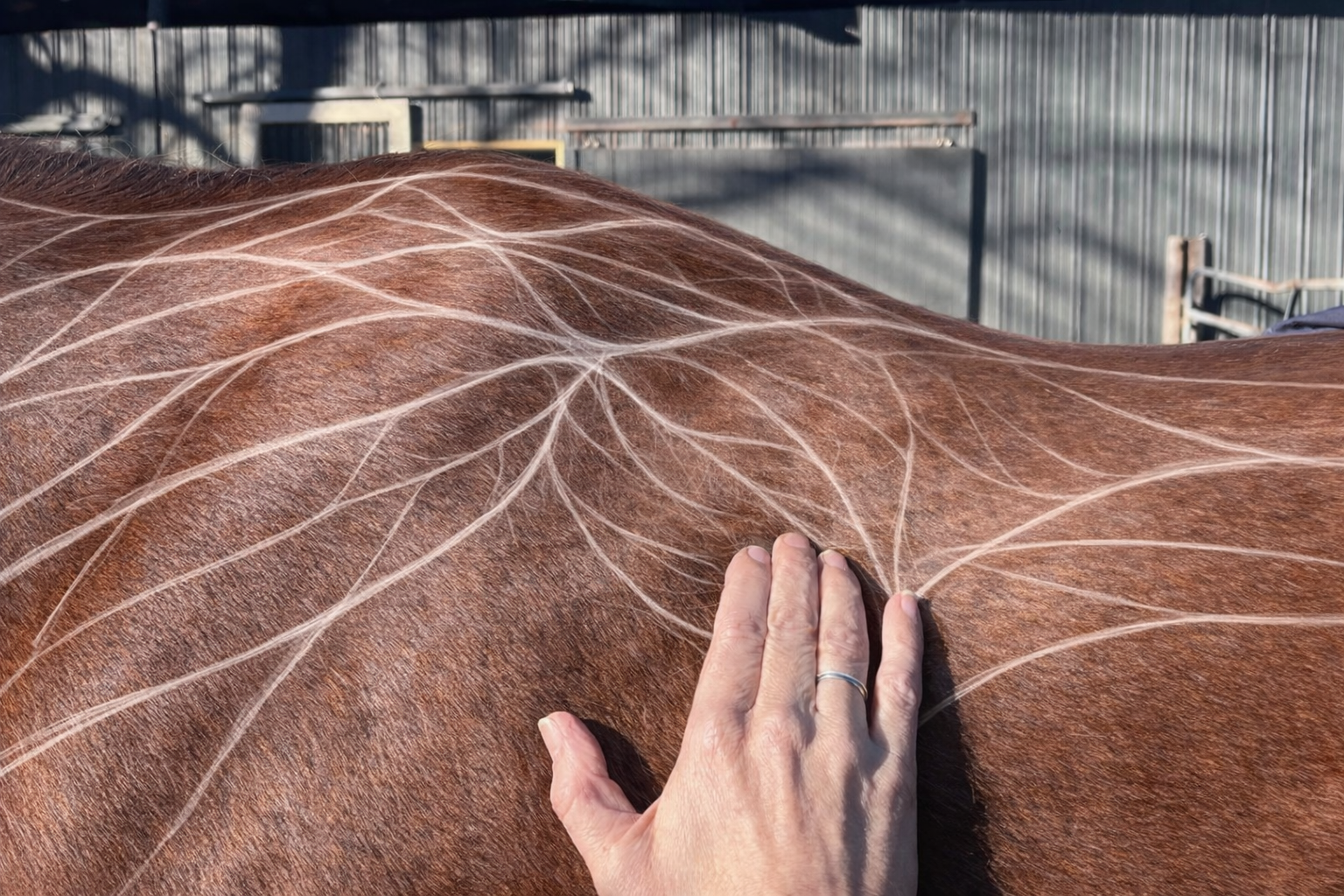
Tissue softens under your hands. Movement suddenly becomes easier. What actually causes that change? One important piece of the answer is thixotropy—a physical property of connective tissue that allows it to shift between a more gel-like and more fluid state depending…
-
15 Surprising (and Often Overlooked) Benefits of Fascial Release
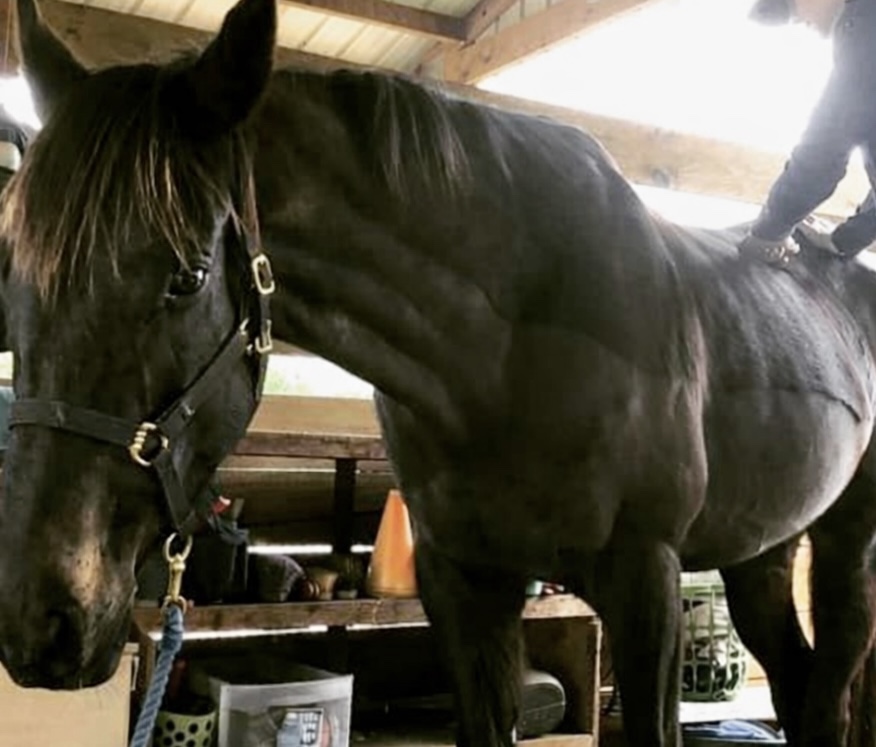
Fascial release is often associated with reducing muscle tension, but its effects extend much further. Because fascia forms a continuous connective network throughout the body, changes in fascial mobility can influence movement, balance, and load distribution in ways that are sometimes…
-
The Language of Fascia
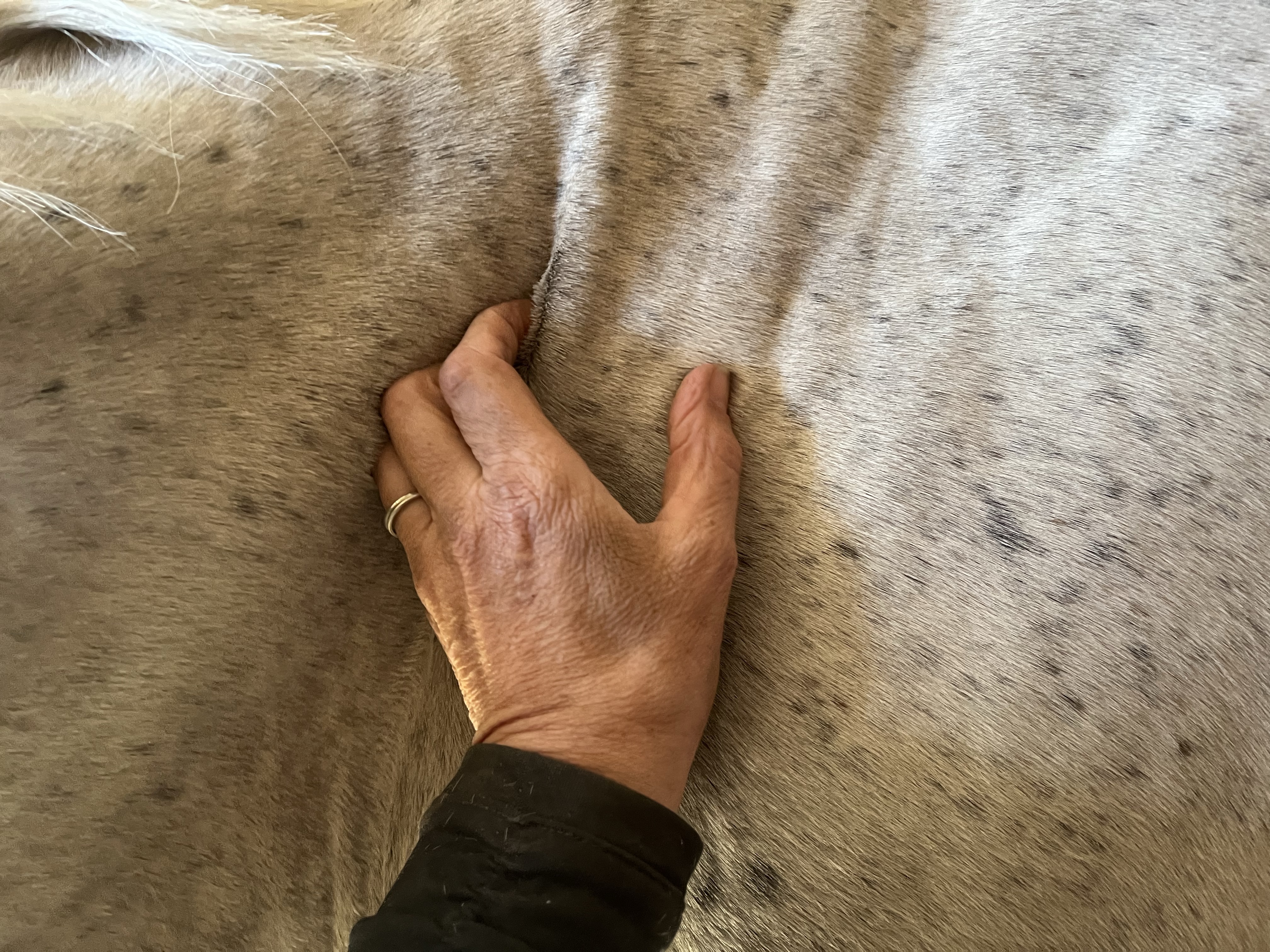
Every horse moves within a web of communication. Beyond muscles and joints, a quieter system translates movement, load, and touch into continuous feedback—fascia. This connective tissue network listens to pressure, vibration, and subtle change, shaping how the body feels, balances, and…
-
Some Horses Feel “Different” or Slightly Uncoordinated the Day After a Massage

It is common for a horse to feel a little loose, wiggly, or not quite put together the day after a massage. This is not a setback. It is a normal phase in which the body and nervous system are integrating…
-
The Front Limb Lines and the Thoracic Sling: Integration for Strength, Balance, and Flow
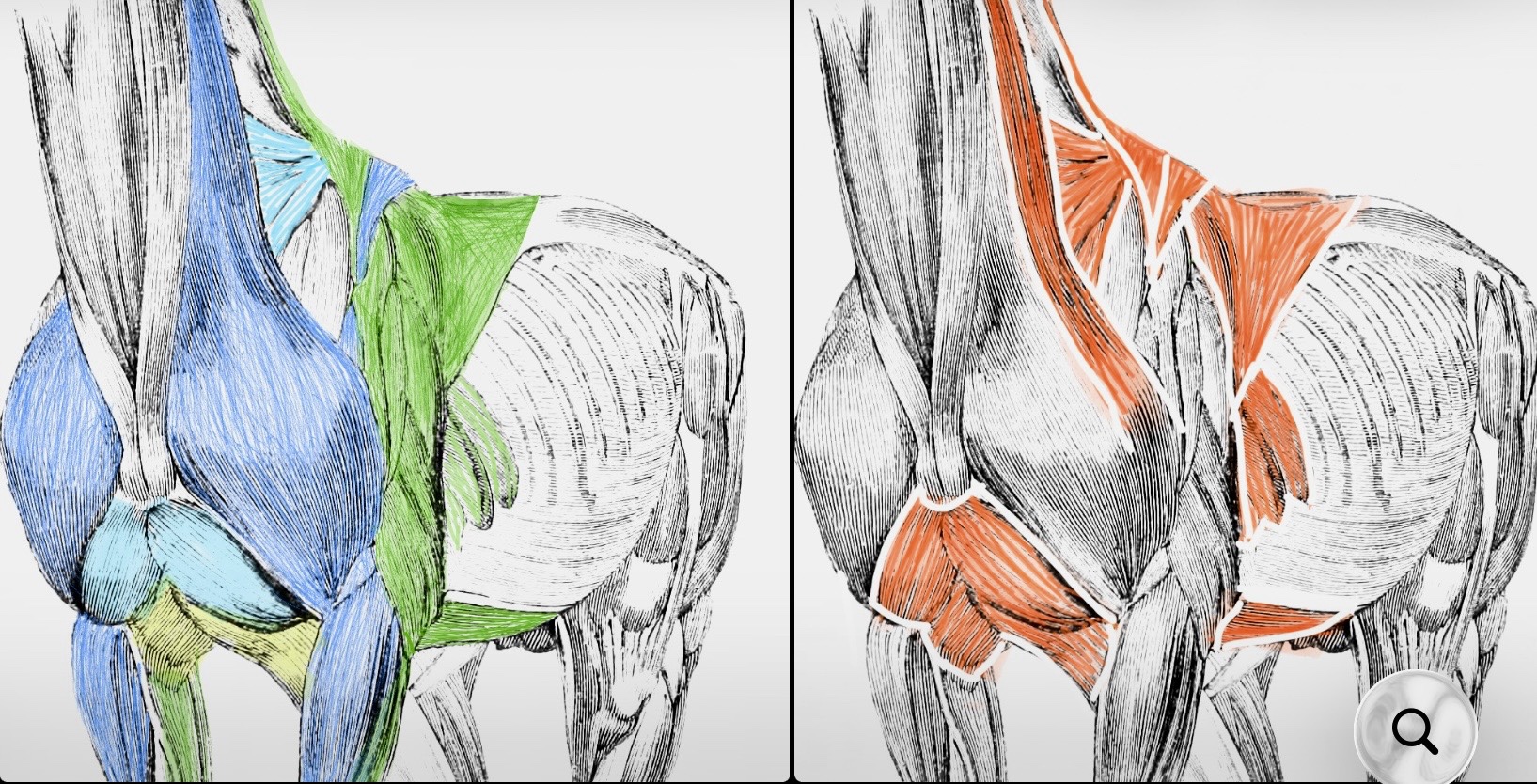
The horse’s forehand is a masterpiece of suspension and coordination. Beneath the surface, intricate layers of myofascial connections work in concert with the thoracic sling to link limb, trunk, and spine into one seamless, shock-absorbing system. Understanding how these structures interact…
-
Digestion Starts With the Nervous System: How Massage Supports the Gut–Brain Connection in Horses
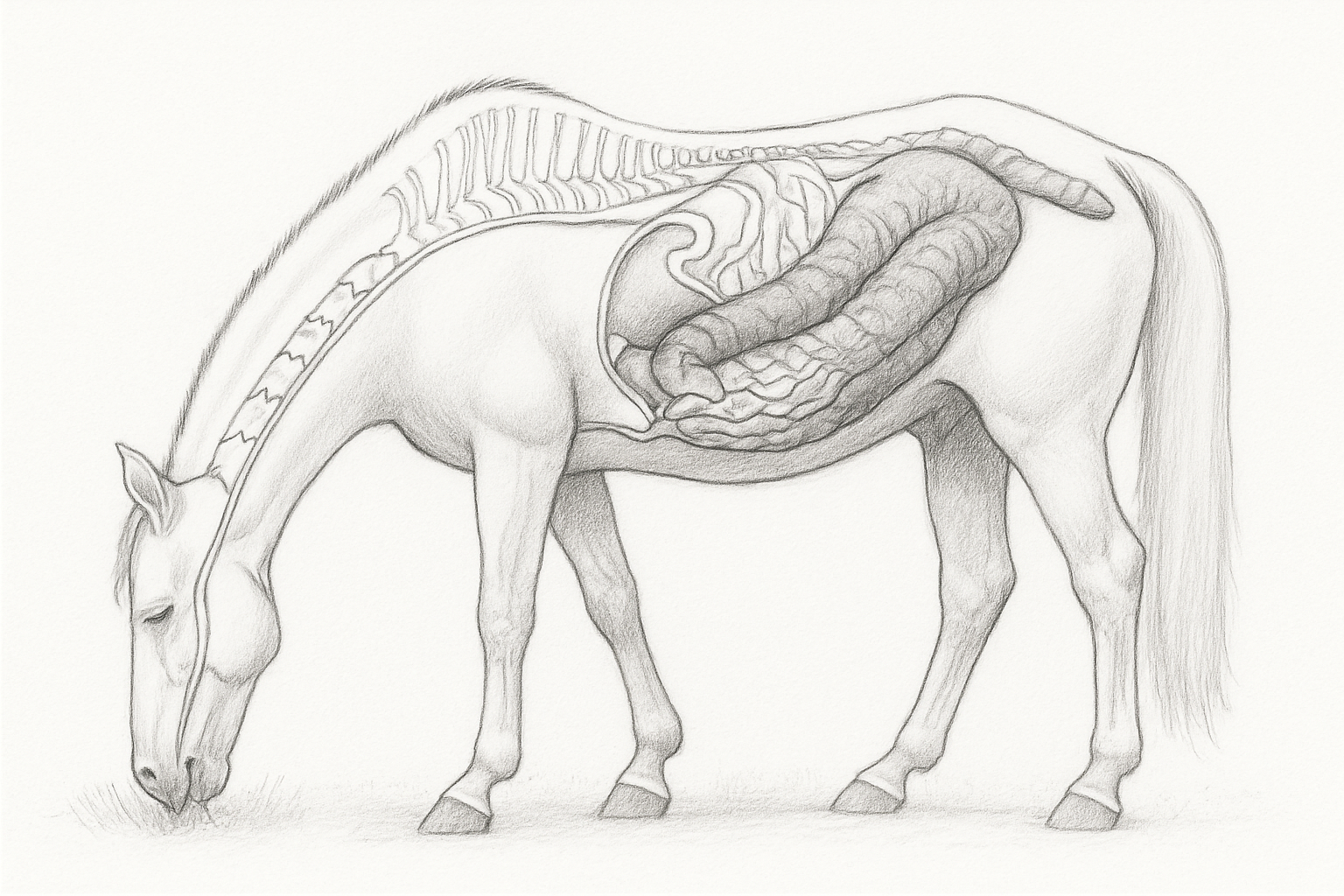
Most people think digestion begins in the mouth — when a horse takes the first bite of hay or grass.But true digestion begins before a single chew. It begins in the nervous system. For the gut to function, the body must…
-
Mind Melding: Can Brain-to-Brain Coupling Happen Between Horses and Humans?
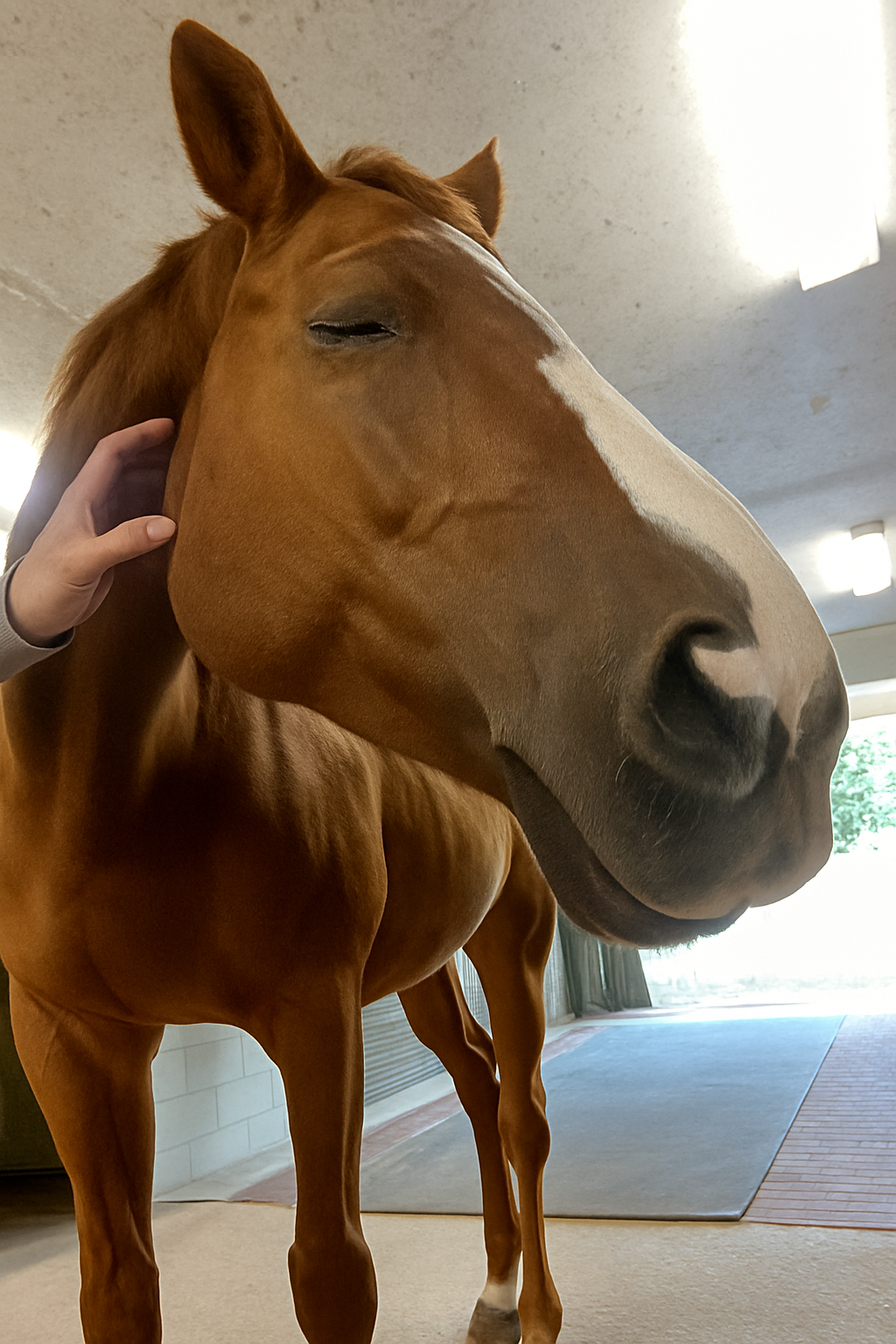
When horse people describe connection with a horse, they often use the language of feel: For experienced riders, trainers, and bodyworkers, these moments are familiar and deeply recognizable. What was once described as intuition or partnership is now being explored through…
-
Muscle Fasciculations in Horses: What They Reveal About the Body
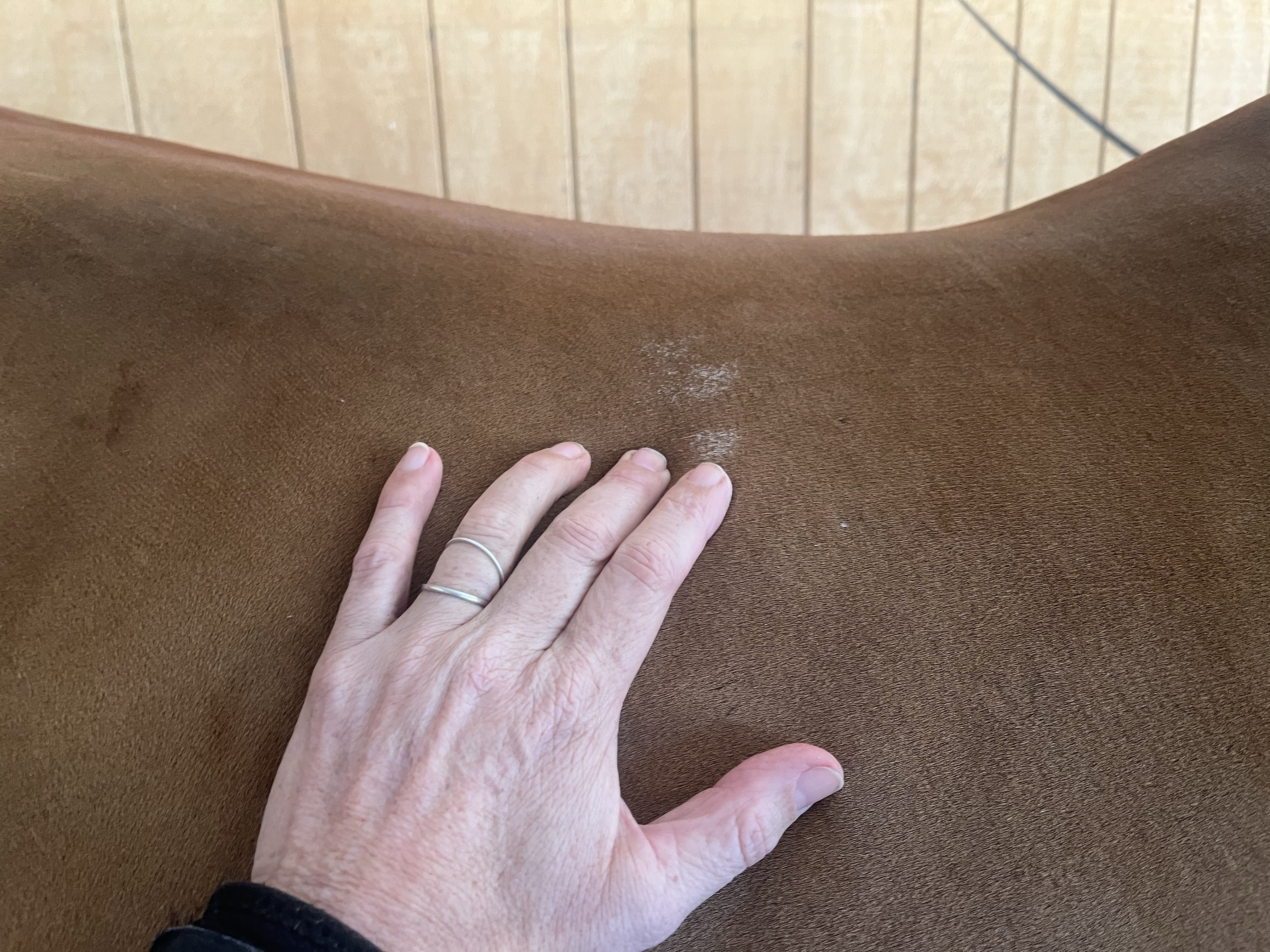
Understanding Lumbar and Thoracolumbar Twitching Muscle fasciculations—small, rapid, involuntary twitches visible beneath the skin—are one of the most important and overlooked communication signals in the horse’s body. Depending on where they appear, when they appear, and what is happening in the…
-
Touch Over Tools: Why Fascia Knows the Difference
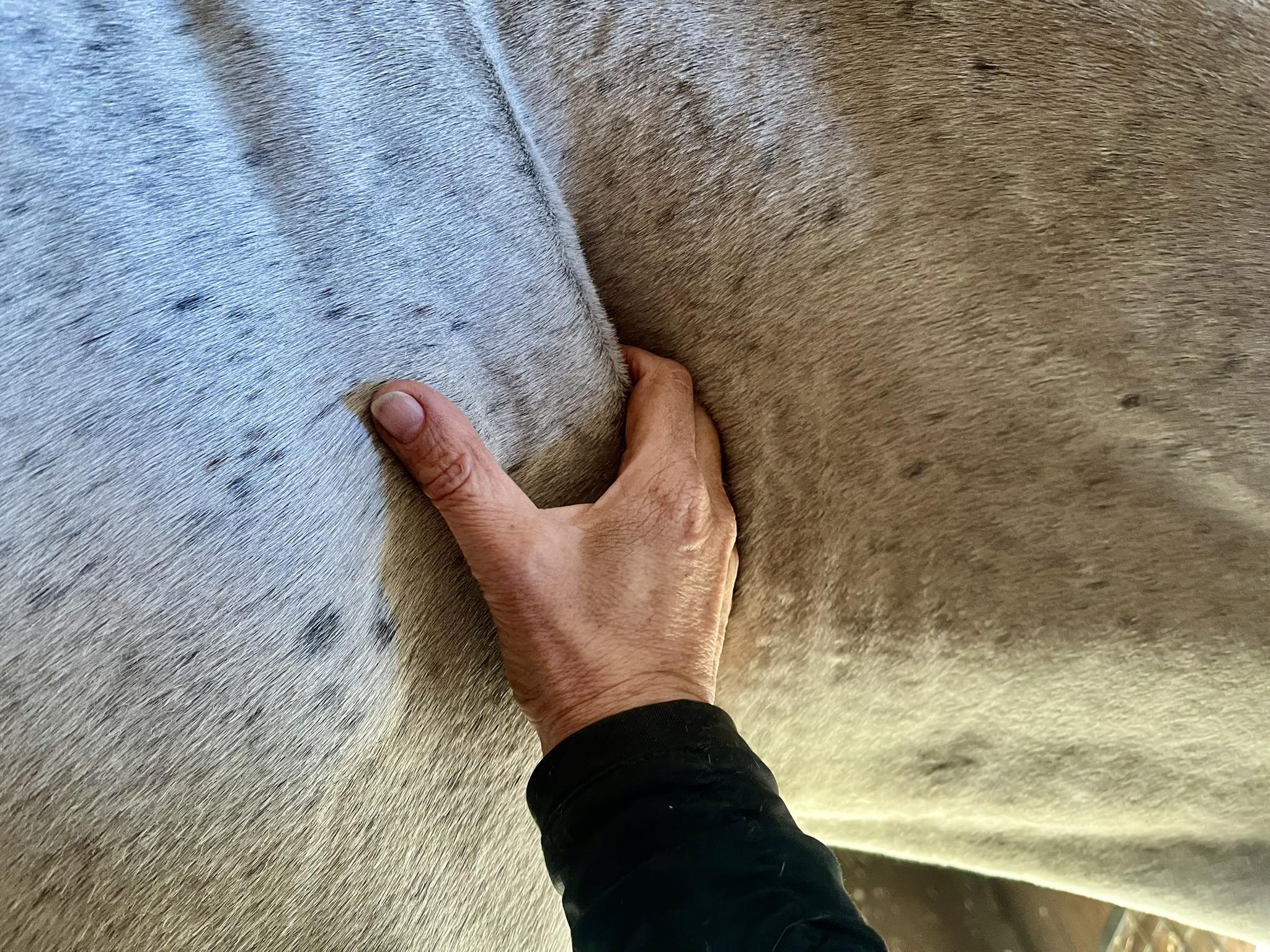
In bodywork, tools can be useful—but they cannot replace the intelligence, sensitivity, or neurological impact of human touch. Hands-on work communicates with the body in ways no device or instrument can. Fascia, in particular, responds not just to pressure, but to…
-
Adipose Tissue, Fascia Quality, and Fitting the Whole Horse
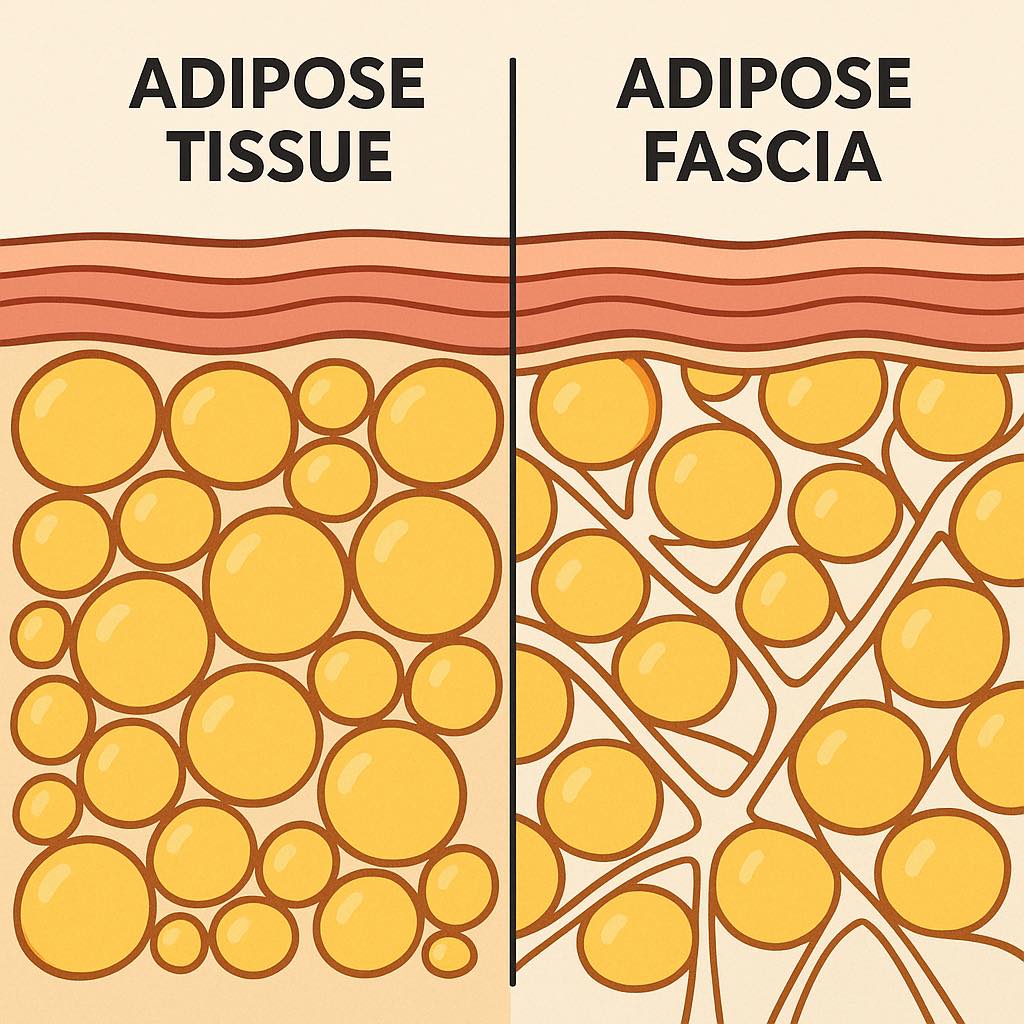
When we look at a horse’s body, we tend to focus on what is immediately visible—muscle development, fat cover, topline, and symmetry. Beneath all of that, however, lies a system that influences every stride, every load, and every moment of comfort…