
Equine Anatomy
-
Fascia Remembers What Muscles Forget

In manual work, bodywork, and movement science, fascia plays a unique role that is often misunderstood. While muscles respond quickly to nerve signals, fascia adapts more slowly—and holds onto patterns long after muscles have relaxed. Its mechanical structure and sensory richness…
-
From Poll to Sacrum: The Dural Sleeve and the Dural Fascial Kinetic Chain
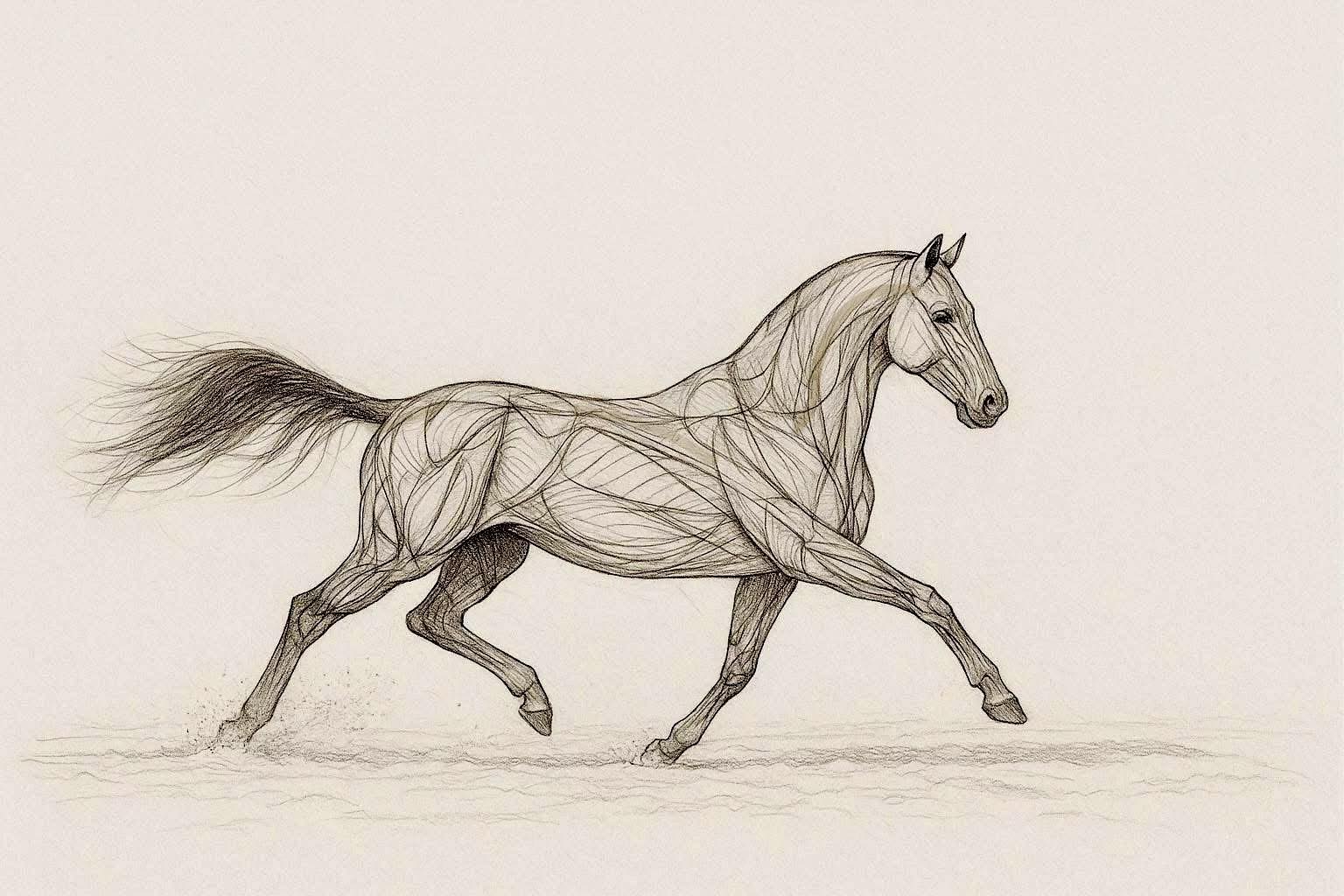
Beneath the muscles, bones, and visible lines of movement lies a deeper system that quietly shapes how a horse moves, balances, and responds to the world. The dura mater and its fascial extensions form a continuous kinetic chain running from the…
-
Chronic Back Pain Interrupts Myofascial Force Transmission

The myofascial system is a continuous, body-wide network of fascia and muscle that distributes tension, load, and movement forces from one region to another. When this system is healthy, forces generated in the hips, limbs, or trunk travel efficiently through the…
-
How Horses Experience Touch: The Three Neurobiological Pathways That Shape Their Response
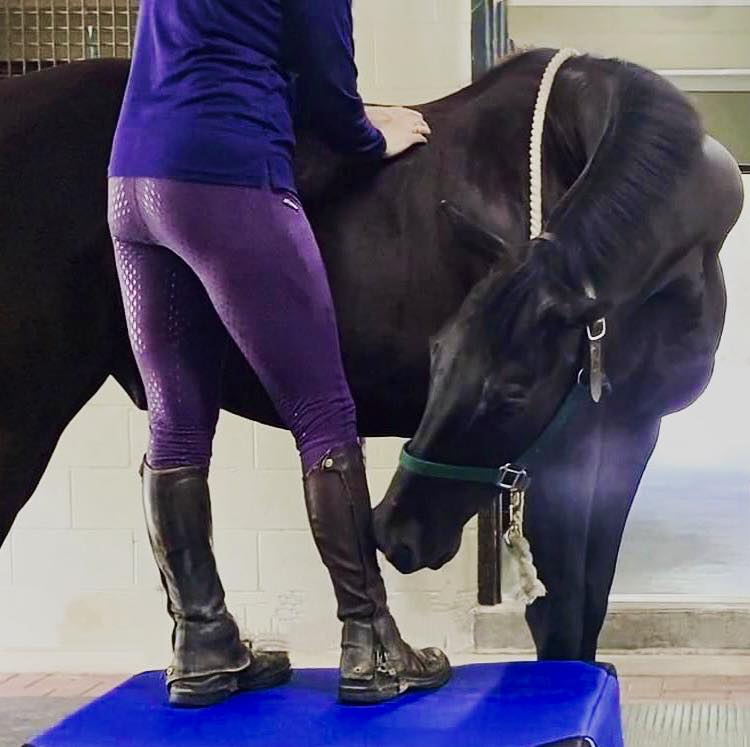
Touch is never just a physical event for a horse. It is a neurobiological experience shaped by attention, expectation, and context. In 2016, research by cognitive neuroscientist Dan-Mikael Ellingsen and colleagues clarified three primary pathways through which mammals experience touch. These…
-
The Effects of Vitamin E on Fascia, Muscle, and Nerves

Why Deficiency Is More Common This Time of Year—and Why Thoroughbreds Are at Higher Risk The Effects of Vitamin E on Fascia, Muscle, and Nerves Why Deficiency Is More Common This Time of Year—and Why Thoroughbreds Are at Higher Risk Vitamin…
-
Cold Weather and Equine Respiratory Health: What Every Owner Should Know

Cold weather poses unique challenges to a horse’s respiratory system—especially during exercise. Cold air contains far less moisture than warm air. As temperatures drop, water vapor condenses into dew or frost, leaving the air extremely dry. When horses inhale this cold,…
-
How Massage Modulates Muscle and Fascial Tone

Massage can both down-regulate and up-regulate muscle and fascial tone—but not by acting directly on the muscle fibers themselves. The real driver of tone is the nervous system. Understanding this distinction helps explain why skilled hands can create immediate, sometimes dramatic…
-
Fascia Helps Tune and Modulate Your Horse’s Spinal Cord

Fascia plays a critical—and often overlooked—role in how your horse’s nervous system functions. In particular, the fascia and deep postural muscles of the poll and upper neck act as regulators of spinal cord environment and neural clarity. Through subtle but constant…
-
Nociceptive, Neuropathic, and Nociplastic Pain — and Where Massage, Myofascial, and Movement Therapy Fit In
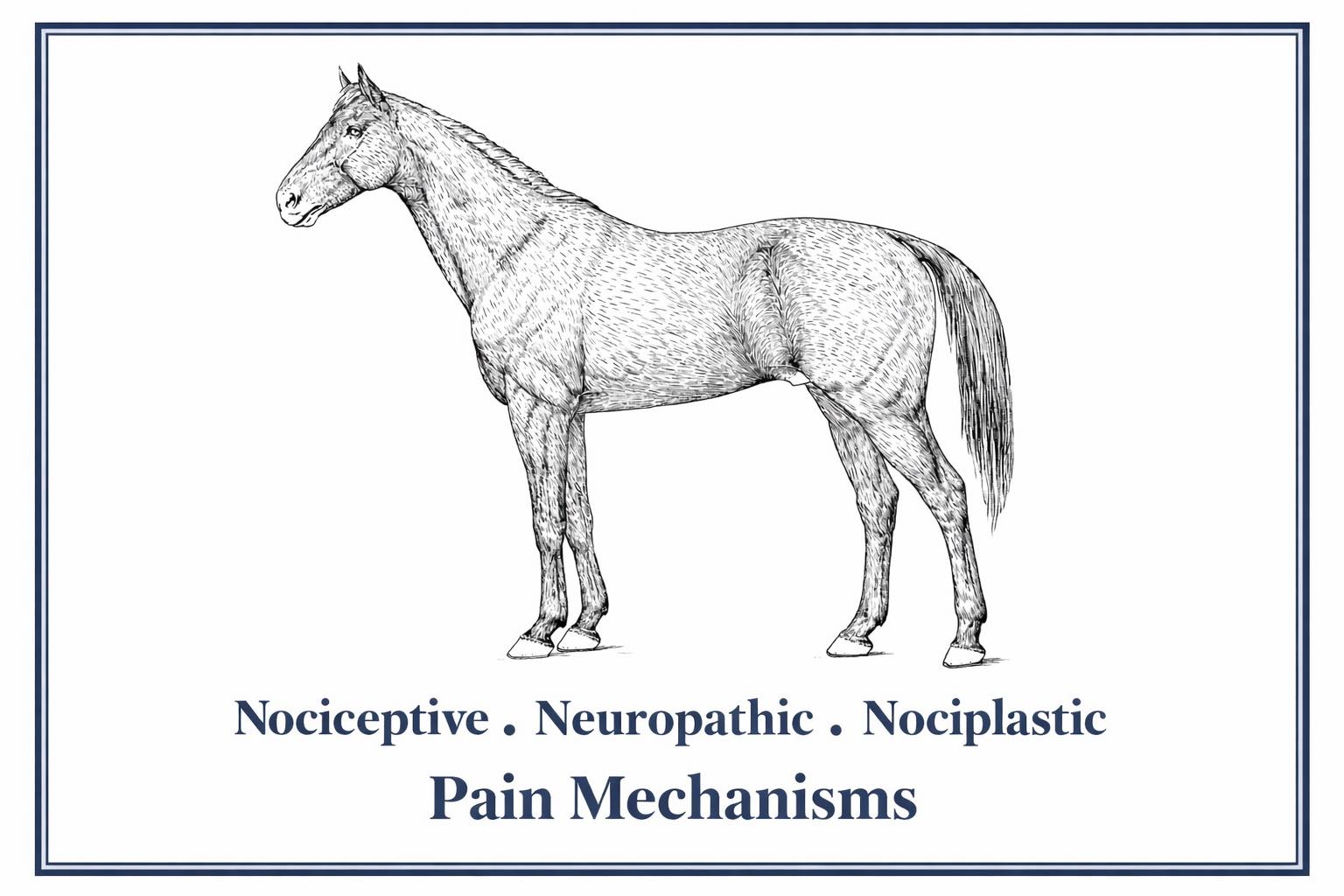
Pain is not a single entity. It is a complex experience shaped by tissues, nerves, and the nervous system’s interpretation of sensory input. Modern pain science recognizes three primary pain mechanisms: nociceptive, neuropathic, and nociplastic pain. While these categories are often…
-
Extracellular Vesicles: What They Are, What They Do, and Why Manual Therapy Matters

Extracellular vesicles (EVs) are tiny, membrane-bound packages released by nearly every cell in the body. Think of them as biological messages sealed in envelopes. They travel through interstitial fluid, lymph, blood, and tissue planes, carrying instructions from one cell to another.…