
General & Miscellaneous
-
Bug Defense Options for Horses

Which do you find most effective? Bugs are more than just a nuisance. They can reduce comfort and performance, interfere with grazing and riding, delay wound healing, transmit disease, and contribute to skin and eye problems. The most effective insect control…
-
25 Important Salt Facts for Horses

1. Research in Alberta, Canada, has shown that the placement of mineral or salt blocks in pastures significantly affects horses’ consumption. Horses consume more when blocks are placed in areas where they naturally gather. Interestingly, placing them near the water source…
-
Limbic Resonance in Horses: How Nervous Systems Synchronize Through Presence and Touch
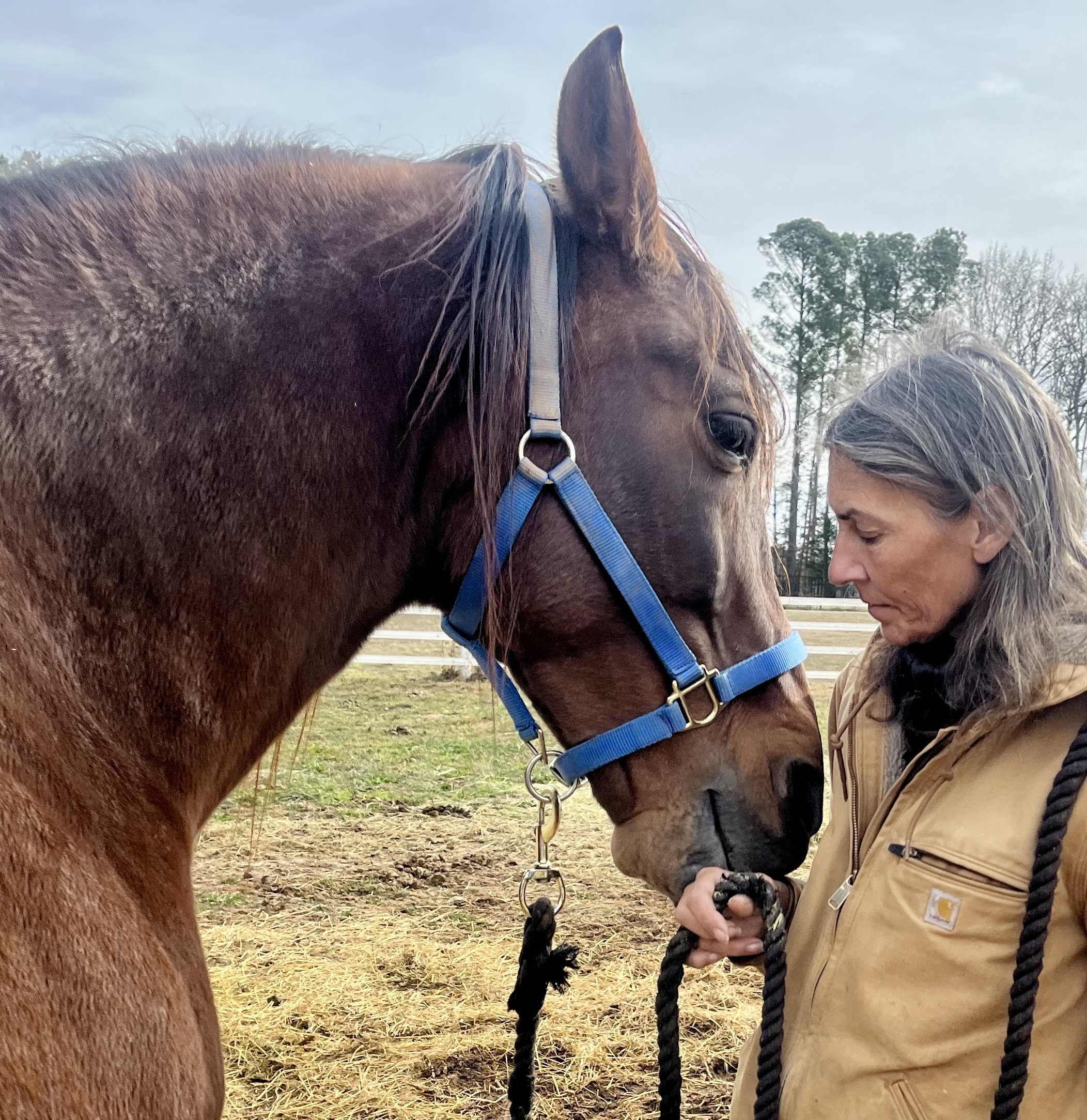
Limbic resonance describes the natural synchronization that occurs between the emotional nervous systems of two beings through nonverbal communication. This connection develops through subtle signals such as posture, breathing patterns, muscle tone, rhythm, and overall presence. Before conscious thought or verbal…
-
How the Horse’s Body Responds to a Show Environment
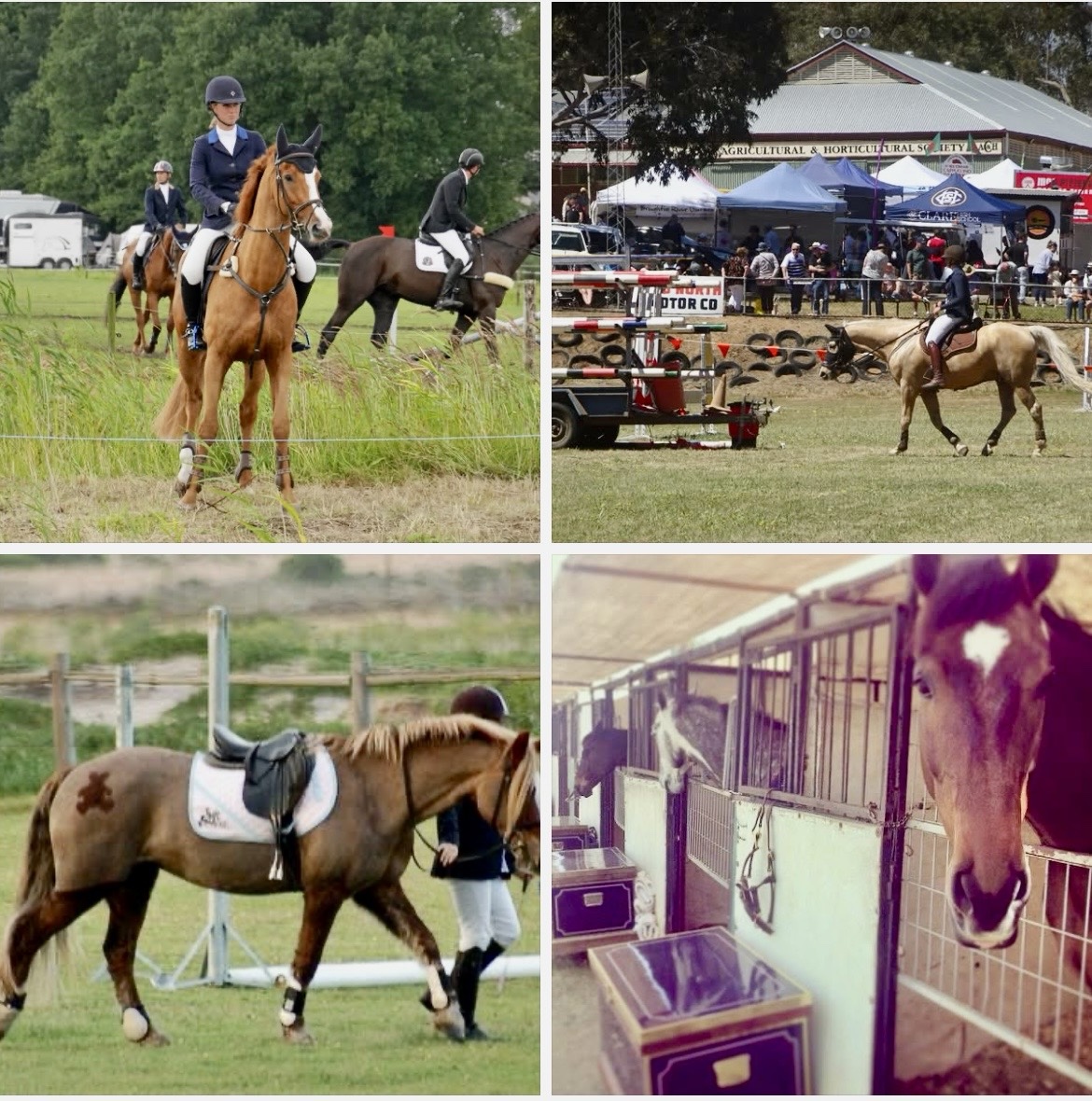
Inexperience, Adaptation, and the Physiology of Experience A horse entering a show environment is not simply performing a task—its entire body is responding to a complex sensory and physiological challenge. Sound, footing, confinement, novelty, social pressure, altered routines, and rider expectation…
-
Understanding Limb Phases in the Horse – How Support, Propulsion, and Nervous System Regulation Shape Movement

Introduction Every stride a horse takes is a precisely timed exchange between support, shock absorption, braking, and propulsion. The forelimbs and hind limbs share similar mechanical events, yet each limb plays a distinct functional role in managing load and movement through…
-
The Purpose of Mutual Grooming in Horses

And What It Teaches Us About Touch Mutual grooming in horses is often mistaken for simple affection. In reality, it is a purposeful, biologically meaningful behavior with clear social and physiological functions. Within a herd, horses most often groom each other…
-
Rethinking Collection: Forehand Organization in the Research of Hilary Clayton

Modern equine biomechanics research increasingly supports something that experienced trainers, bodyworkers, and massage therapists have observed for decades: true collection develops through the horse’s ability to lift, stabilize, and suspend the trunk between the forelimbs. Seventeen years of kinematic and kinetic…
-
Compensation Is Strategy — Until It Isn’t

Compensations are part of the horse’s survival strategy. Compensation is a strategy—until it isn’t. When a structure in the horse’s body becomes injured, irritated, or overloaded, the body adapts. It redistributes load, alters timing, shifts posture, and modifies movement patterns in…
-
Do Horses Have Mirror Neurons? What We Currently Know
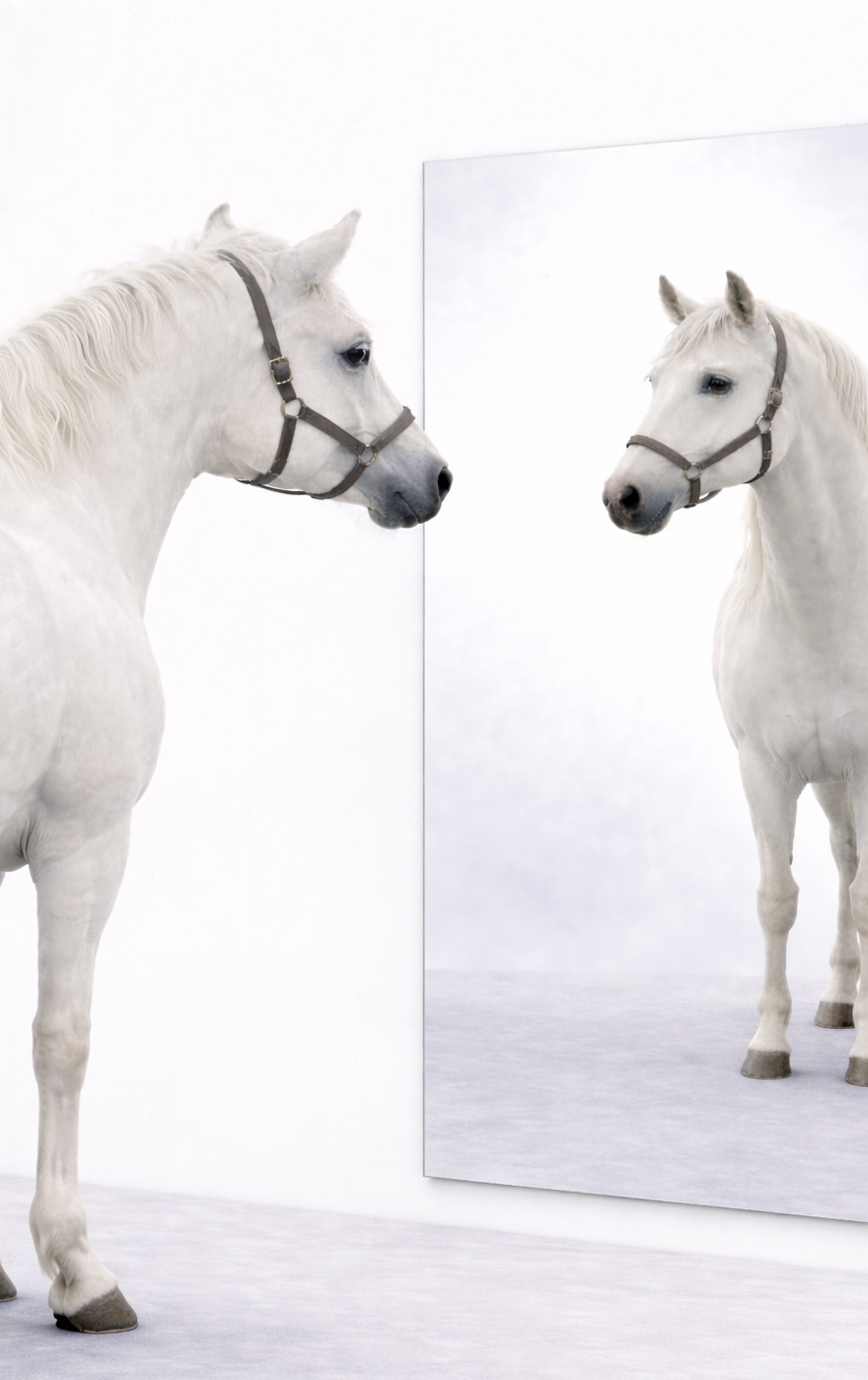
Mirror neurons were first identified in primates. These specialized brain cells fire both when an animal performs an action and when it observes the same action performed by another. In horses, mirror neurons have not yet been directly studied using invasive…
-
An active cool down is more beneficial than a passive cool down.
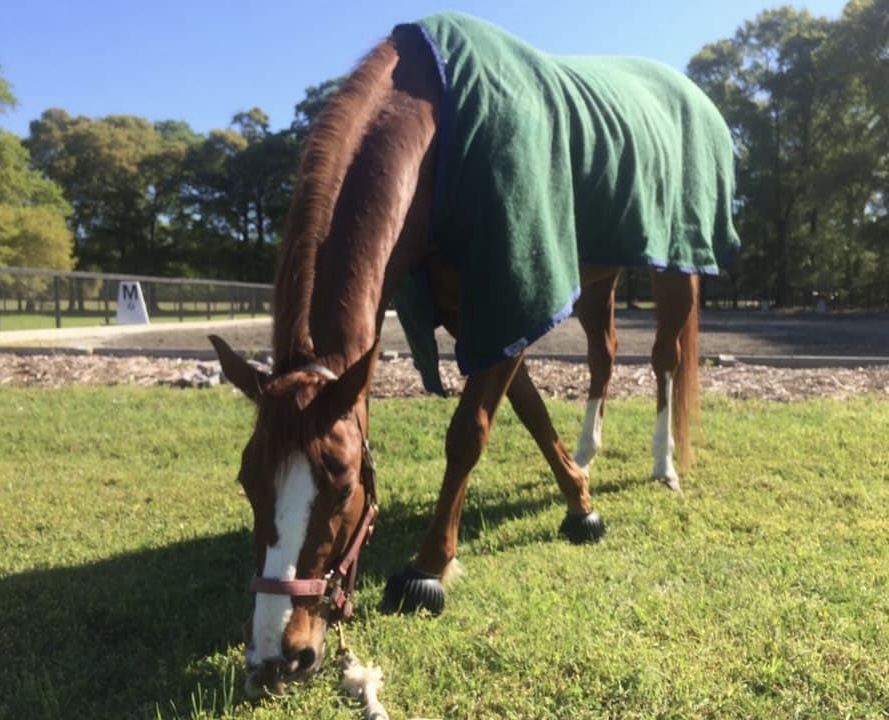
Why an Active Cool Down Is One of the Most Important Parts of a Ride Most riders understand the importance of a good warm-up. But the cool down is often treated as an afterthought. In reality, the way a ride ends…