
General & Miscellaneous
-
How Your Nervous System Influences Your Horse

Horses are extraordinarily sensitive to the physiological and emotional states of the humans around them. Their nervous systems continuously read subtle signals—not only from other horses, but also from the people they interact with. This sensitivity means that the human nervous…
-
Why Saddle Fit Was So Important in the Military
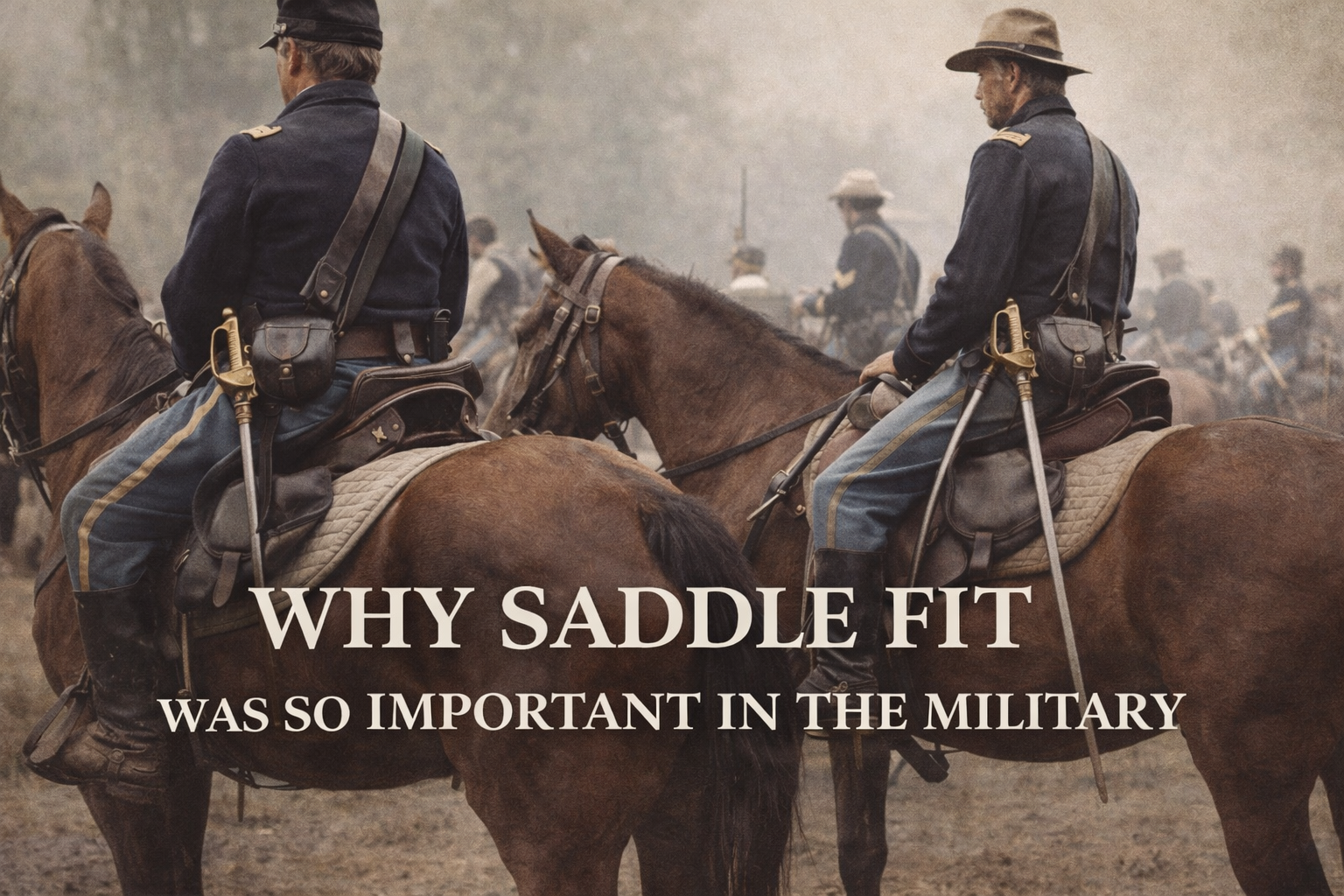
Lessons from 18th–19th century cavalry horse management In tDuring the 18th and 19th centuries, cavalry horses were expected to work extremely hard under demanding conditions. These horses were essential to military mobility, transport, and combat operations. A typical cavalry horse might:…
-
How ProSix Affects Posture, Movement, and Stress in Horses

A summary of recent research Tools that support horses during hand walking, stall rest, and early recovery are becoming increasingly valuable. During these phases, horses often experience reduced movement, altered posture, and elevated stress levels. One such tool is ProSix, a…
-
Equine Gnathology: Why the Mouth Shapes the Whole Horse

For many years, equine dentistry was approached primarily as a mechanical task: remove sharp points, smooth rough edges, and reduce overgrowths. Traditional floating can certainly relieve acute discomfort, but it can overlook a critical reality. The horse’s mouth is not static—it…
-
Hill Work: Simple. Powerful. Underrated.

Hill work is one of those training tools that looks almost too basic to make a major difference. But when you zoom out and consider what it is actually doing to the horse’s body, it becomes incredibly powerful. Working on slopes…
-
Can Forehead (or Other) Whorls Tell You Anything About Your Horse?

Horse whorls have fascinated people for centuries. From folklore to barn lore, they are often said to reveal temperament, personality, or even trainability. The short answer is simple: whorls are interesting—but they cannot reliably predict behavior. The longer, more accurate answer…
-
The 3 Days • 3 Weeks • 3 Months Rule

How Training, Conditioning, and Massage Therapy Support a New Horse’s Adjustment When a horse arrives in a new home, their body and brain move through predictable stages of stress, recalibration, and integration. Understanding these stages helps owners and trainers set fair…
-
Social Learning in Horses: Connection, Safety, and the Wisdom of Observation
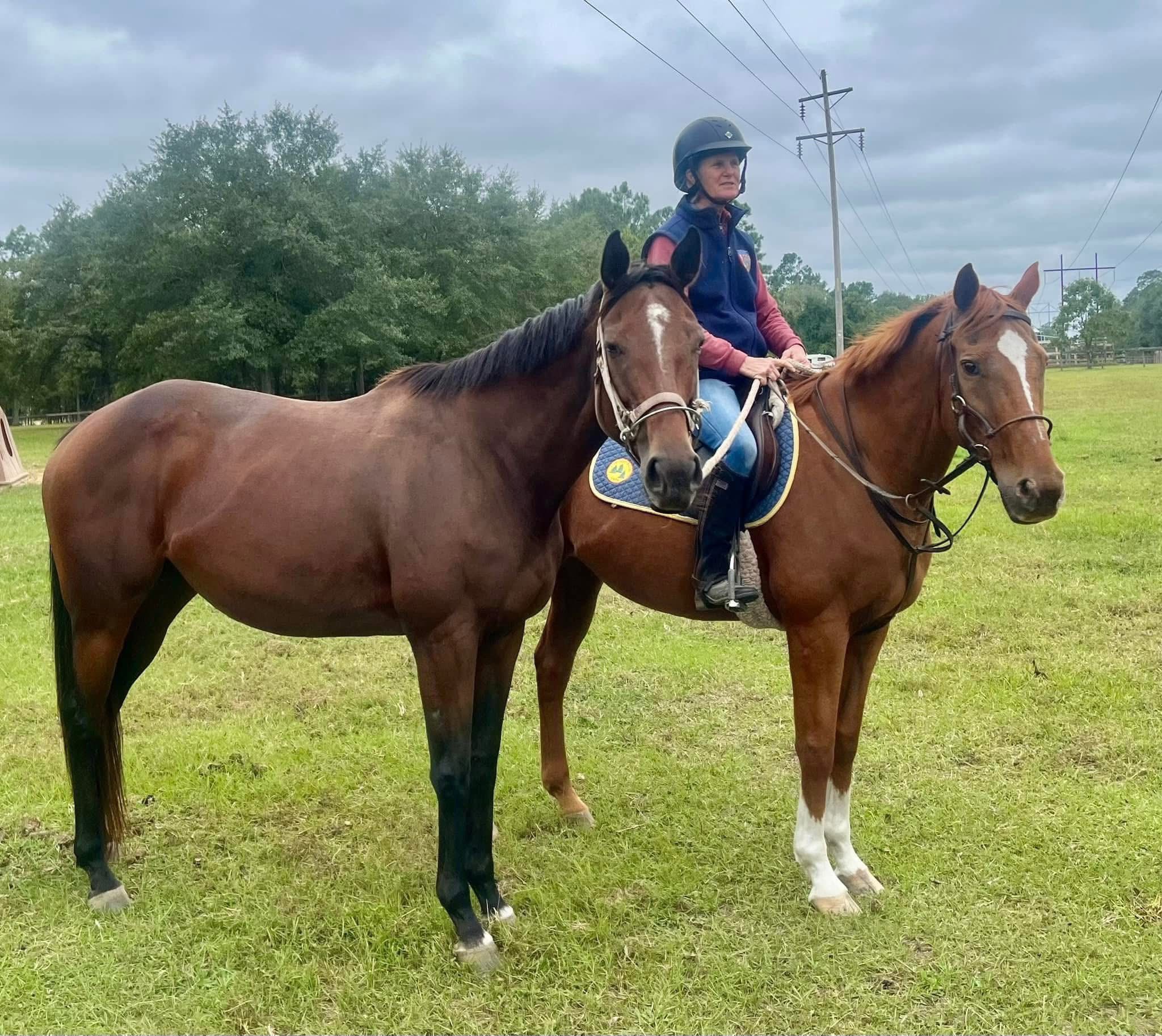
Horses are social learners. They acquire new behaviors and information simply by watching others. Anyone who has led a hesitant horse through water or past something unfamiliar has seen this in action—often, one confident companion stepping forward is all it takes…
-
Veterinary Medicine Series No. 14: Special Equine Therapy (circa. 1917)
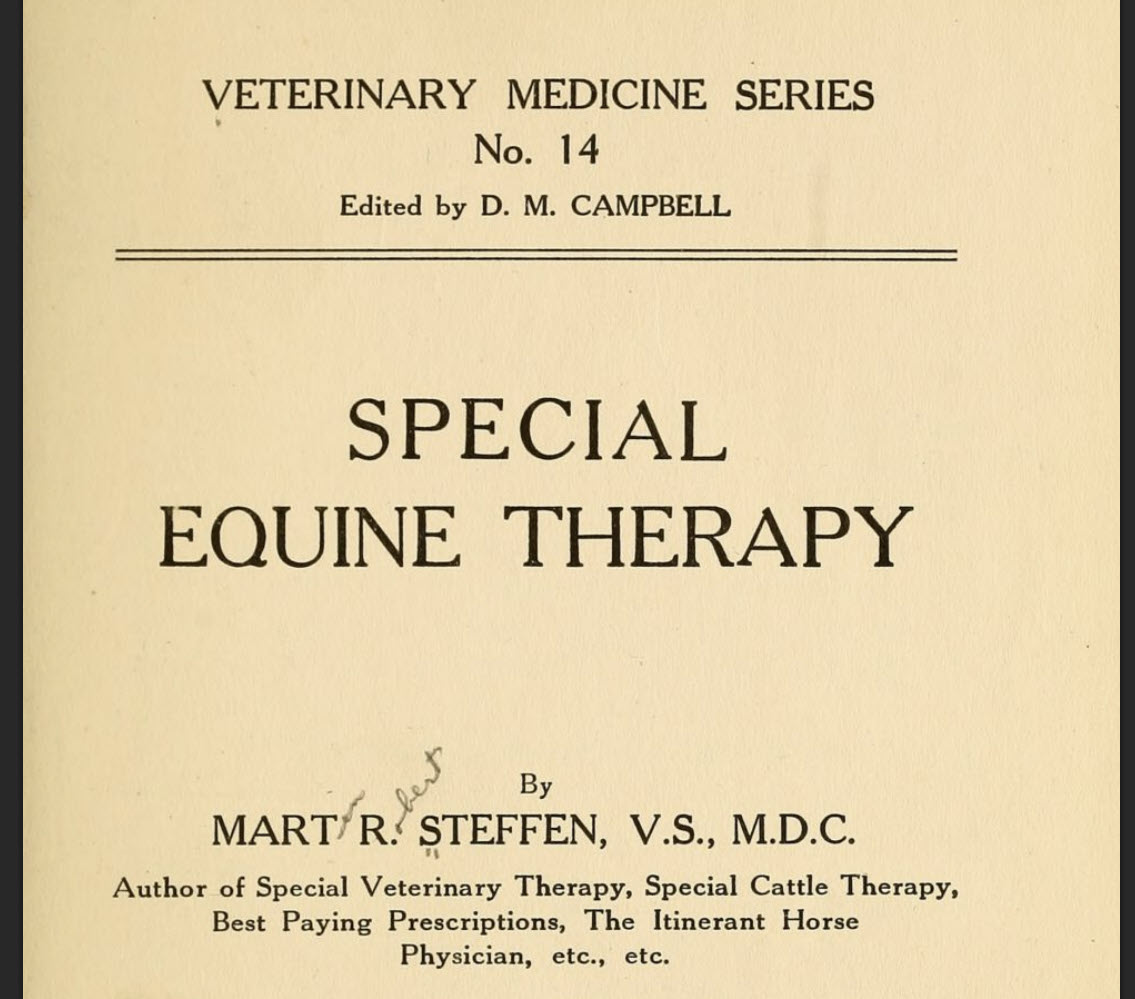
Veterinary Medicine Series No. 14: Special Equine Therapy, written by Martin Robert Steffen, V.S. and published in 1917 by the American Veterinary Publishing Company of Chicago, is a practical early–20th-century veterinary text devoted to therapeutic approaches for equine disease and injury…
-
What is the Difference Between Laterality and Asymmetry?
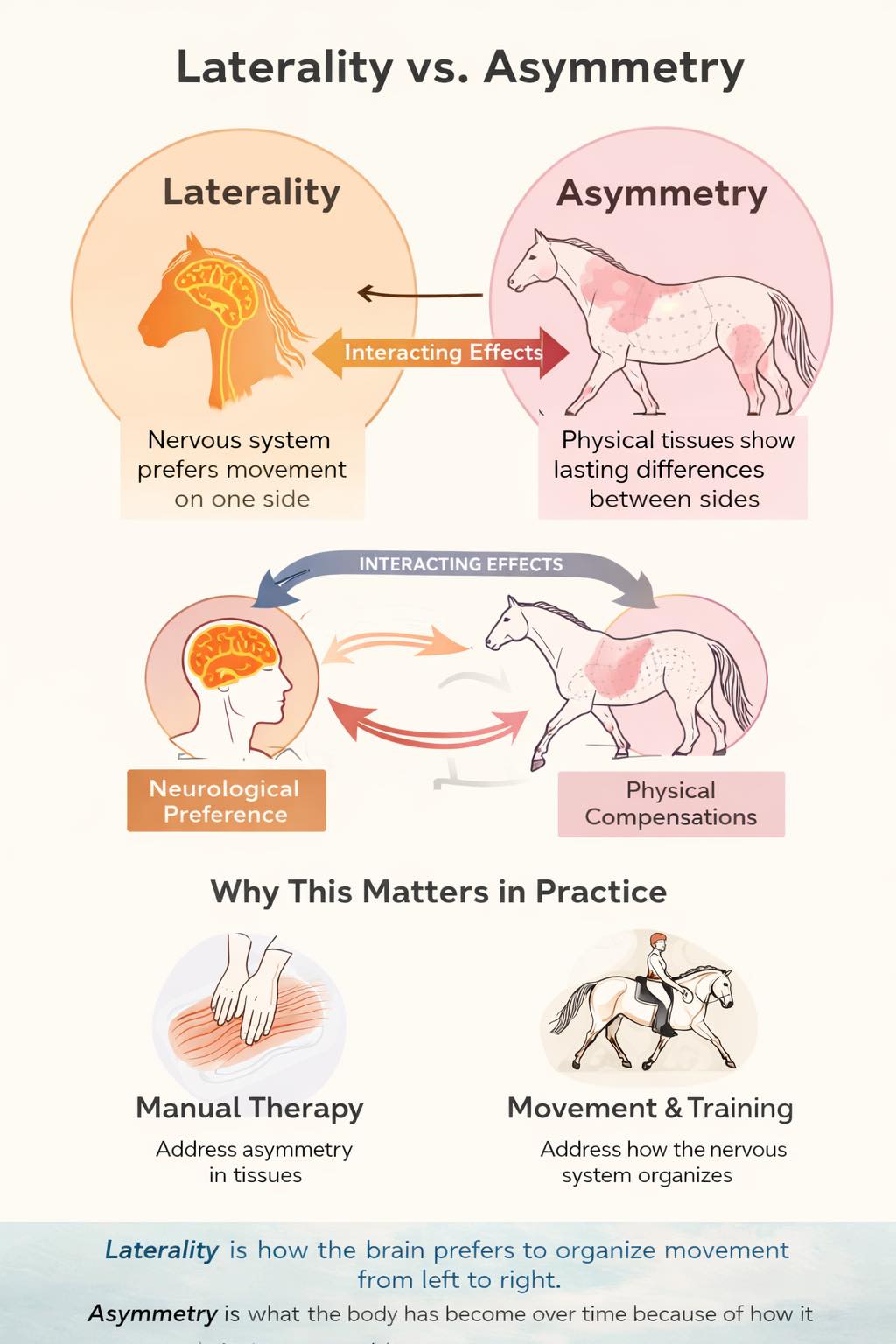
What Is the Difference Between Asymmetry and Laterality? Asymmetry and laterality are often used interchangeably, but they describe very different phenomena. Understanding the distinction between the two—and how they interact—helps explain why some movement patterns feel stubborn, while others change quickly…