
Latest Articles
-

Understanding Palpation Skills for Equine Bodywork
The first touch the horse experiences from a massage therapist will be during palpation. Palpation is a term originating from the Latin word “palpare” meaning “to touch”. It’s both an exploration of the tissues and an introduction to the horse on how the therapist intends to interact with him. Palpation serves first as an introduction Read more
-

21 Interesting Facts About Horses Eyes and Vision
1. Horses have the 2nd largest eyes of any land mammal on earth. Mule’s eyes are bigger. 2. The eye is given extra protection by a third eyelid on the inside of the eye, which can close over the eyeball in a diagonal manner like a shield. 3. One of the most interesting things about Read more
-

Horses That Hum: Exploring Audible Tinnitus
Have you ever heard a humming noise coming from your horse’s ear? Although rare, audible or objective tinnitus is a condition where a horse emits an audible sound from its ear, similar to what a human might hear when experiencing tinnitus. The most common type of tinnitus is subjective tinnitus which is perceived only by Read more
-

Can You Improve His…?
Every now and then a potential client asks if a massage will help their horse with a particular concern – their horse is struggling with clean changes, they need a faster time, they want to run a clean pattern or get a better extension…. And the answer is often yes …maybe… as long as your Read more
-

Maximizing Your Horse’s Warm-Up: Enhancing Mobility and Skills with Right Angle Poles
Walk is an important part of any warm up with your horse. It’s generally recommended that we spend 10-20 minutes at the beginning of a ride letting the horse slowly start moving. Walk increases circulation bringing oxygen and nutrients to muscles, flushing wastes, stimulating synovial fluids and heating all the tissues. As tissues warm they Read more
-

Give The Brood Mares Some TLC
During pregnancy, your mare’s body undergoes significant changes to accommodate the growing foal, which can lead to widespread body pains and muscle discomfort. The physical demands of delivering the foal also cause muscle strain, soreness, and inflammation. You can help Mama heal her baby-body with massage. Massage can alleviate body soreness by soothing sore, stressed Read more
-
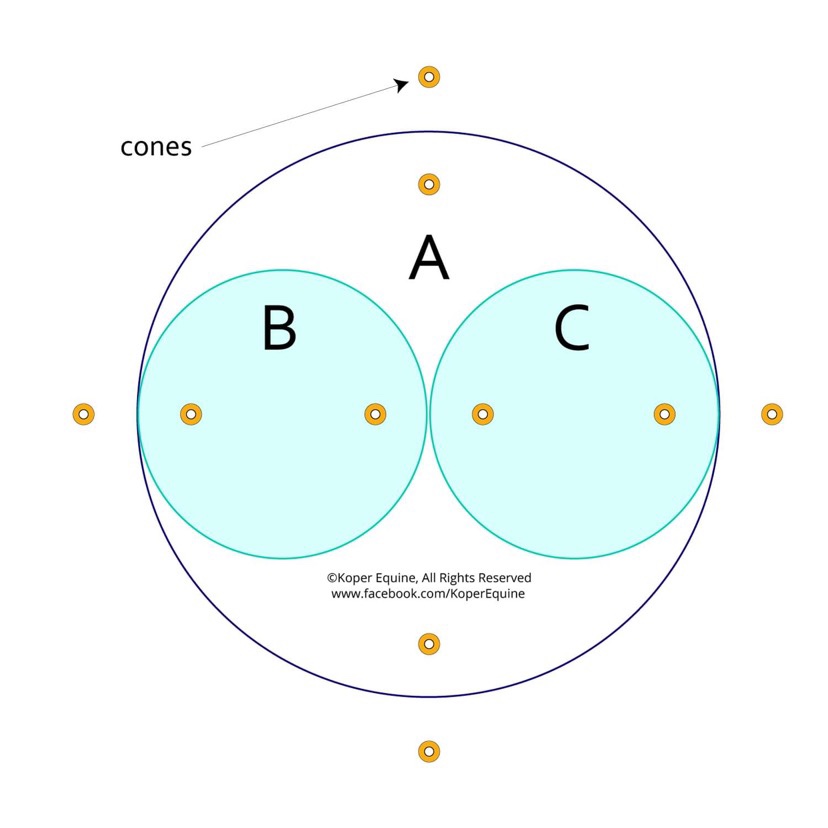
Riding Exercise: Circles Inside Circles
This is one of my favorite exercises. I use it often both to evaluate and develop the horse and rider. It asks for several basic skills and it can be tailored to fit almost any skill set or level of ability. How to: Ride circle A 3x to establish your line, rhythm, pace and work Read more
-

What Is Functional Massage?
Functional Massage is a type of therapeutic massage that focuses on improving functional movement and addressing musculoskeletal imbalances. It may be combined with other forms of functional medicine (Vet care) and physical education and conditioning to support overall health and wellness. The goal of functional massage is to address the root causes of pain and Read more
-

Equine Hydration: The Key to Muscle Glycogen Storage and Performance
Water plays a crucial role in many physiological processes in a horse’s body, including the storage of glycogen in muscles. Glycogen is a form of stored carbohydrate that serves as a readily available energy source for muscles during exercise. Here’s how water is related to this process: 1. Muscle Glycogen Storage: Horses, like all mammals, Read more